

Mongolia is a country of vast open terrain, rich history, and exceptional natural beauty. The nickname 'Land of the Eternal Blue Sky' is apt for a country that offers travelers the rare opportunity to experience true, unfragmented wilderness, ranging from golden deserts and green valleys to snow-covered peaks and pristine lakes.
For first-time visitors, the five essential destinations are Arkhangai, Khentii, Khovsgol, the Gobi Desert, and Bayan-Olgii. Visiting these areas provides a distinct taste of the country's diverse essence, unique landscapes, and resilient nomadic people.
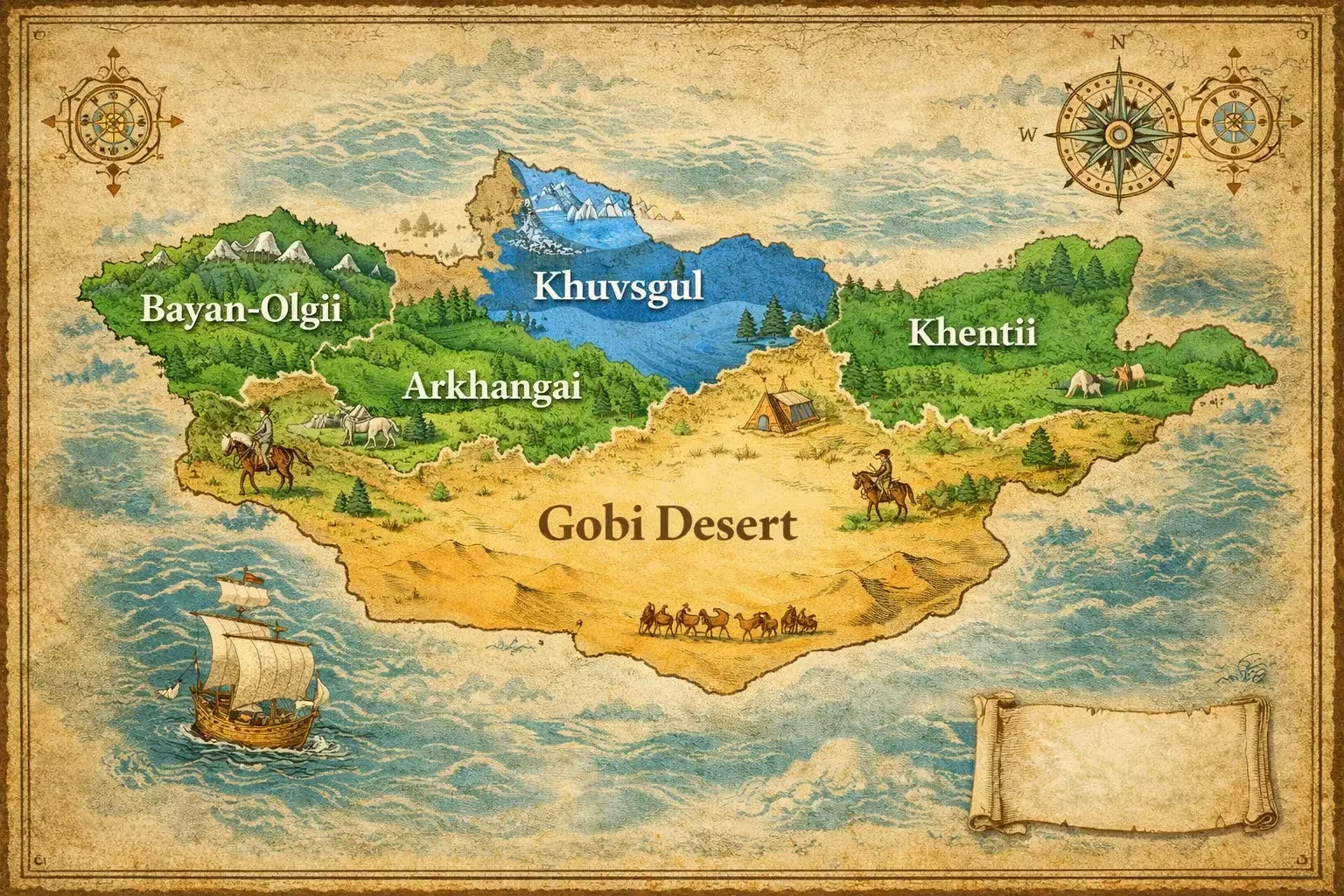
Arkhangai – Mongolia's Equestrian Heartland
Nestled in central Mongolia, Arkhangai, often called the “Switzerland of Mongolia”, is a breathtaking region of green valleys, volcanic formations, and flowing rivers. Its rolling steppes, dotted with nomadic camps and grazing horses, represent the essence of Mongolian life. Travelers are drawn here to experience authentic nomadic culture, where horseback riding isn’t just a tourist activity but a way of life. Riding freely across open plains, sharing airag (fermented mare’s milk) with herders, and spending nights in cozy gers beneath a sky filled with stars give visitors a rare glimpse into Mongolia’s timeless traditions.
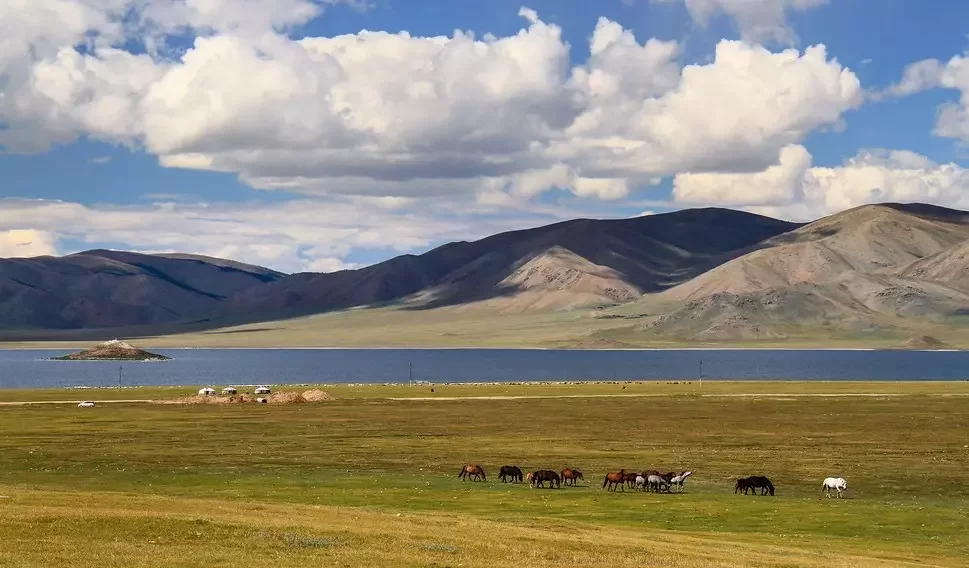
The road to Arkhangai offers a highly scenic and easily accessible route that is an attraction in itself, featuring several key stops. Traveling west from Ulaanbaatar, you will first encounter the Khogno Khan Nature Reserve, nicknamed the 'Mini Gobi,' which provides a taste of desert landscape with its mix of sand dunes, cliffs, and grasslands. Further along the route, you will pass the ancient city of Kharakhorum (Kharakhorin), the former capital of the Mongol Empire, and its adjacent spiritual site, Erdene Zuu Monastery. This oldest surviving Buddhist monastery is instantly recognizable by its 108 white stupas and offers a serene space where traditional monks' chants can still be heard.
Khorgo-Terkhiin Tsagaan Nuur National Park is a feast for the eyes for people breathing the fresh air of nature. The extinct Khorgo Volcano and the intermediary Great White Lake create one of the most photogenic landscapes in all of Mongolia and the area is ideal to hike, kayak, and camp. After several exciting days of adventure, travelers can also unwind at the pristine Tsenkher Hot Springs, where the naturally heated mineral waters bubble out from between the trees on the hill. Whatever the attraction that draws the traveler into Arkhangai—sweeping views, immersion in cultured anthropology and history or a deep sense of calm and peace—it has everything that western explorers/tourists would look for in their travels to Mongolia—wild nature, people with great hearts, and an adventure that is grounding yet holistic.
Khentii – Homeland of Chinggis Khan
Khentii is a province in Mongolia's eastern frontier, primarily known as the birthplace and ancestral home of Chinggis Khan. This area is steeped in history and features a diverse, unspoiled landscape. The province’s geography ranges from expansive rolling steppes and alpine meadows to the dense forests of the Khentii Mountain Range. This range includes the sacred Burkhan Khaldun Mountain, a UNESCO World Heritage Site believed to be the birthplace and potential burial site of the Great Khan. The area offers a profound historical connection, allowing travelers to experience the wilderness that shaped Mongolia’s most revered leader.
Beyond its deep historical roots, Khentii provides opportunities for raw and remote outdoor exploration. Activities include hiking, horse trekking through the forests and mountains, and fishing in its clear rivers, often along the headwaters of the Onon and Kherlen rivers. Interesting sites for travelers include the ruins of the hidden Gunjin Sum Temple deep within the mountains and the historic Baldan Bereeven Monastery, one of Mongolia's largest monastic centers before its destruction in the 1930s.
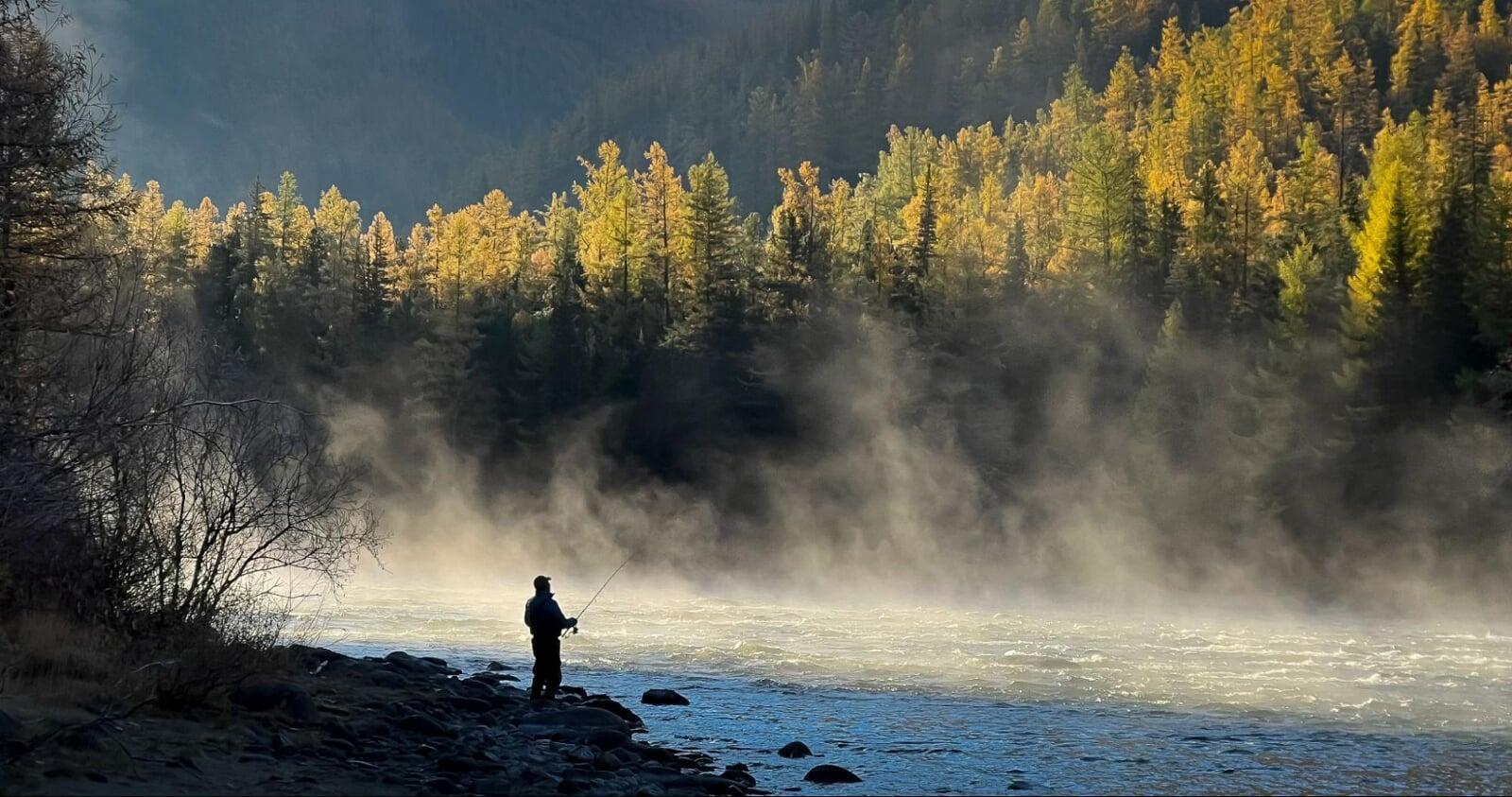
Traveling to Khentii is relatively easy due to its proximity to the capital, but it provides a significantly quieter, more isolated experience once you arrive. The region sees fewer tourists, allowing for greater immersion into the nomadic life and the pristine natural environment. Visitors typically stay in traditional ger camps and spend their time exploring the historical sites surrounding the Khan Khentii Strictly Protected Area, making it a compelling destination for those interested in Mongolian heritage and undisturbed wilderness adventure.
Khuvsgul -Mongolia’s Blue Pearl and the Reindeer People
Khovsgol Province, located in Mongolia's far north, is dominated by Lake Khovsgol, often called the Blue Pearl of Mongolia. This large alpine lake is one of the world's clearest and deepest, surrounded by mountains and dense pine forests. Its pristine environment makes it a primary destination for adventure tourism and nature photography.
During summer, the area supports activities such as kayaking, hiking, and camping. In winter, the frozen lake hosts the annual Ice Festival, featuring traditional sled races and ice art.
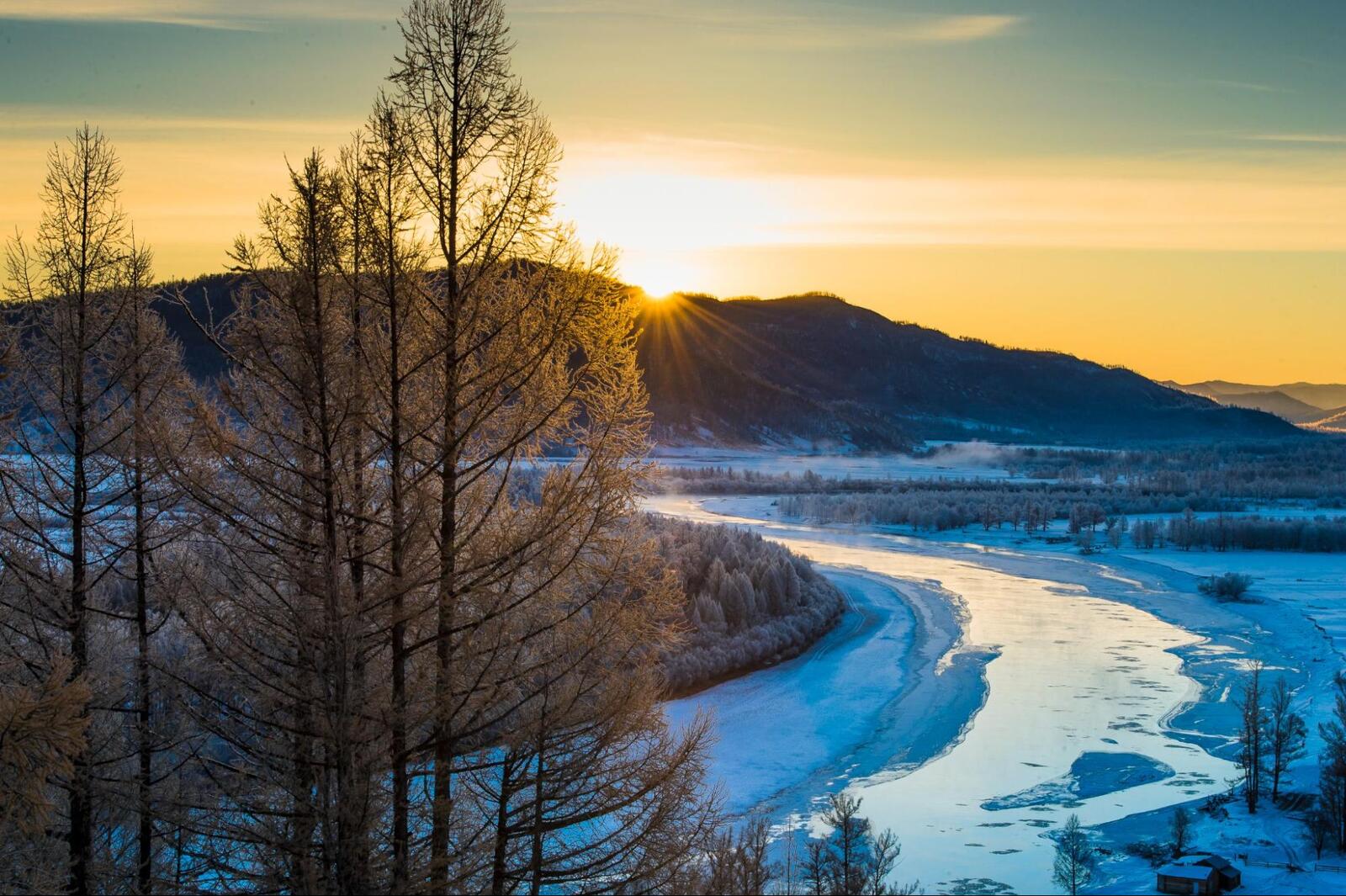
Khovsgol also serves as the gateway to the Taiga, specifically the Darhad Valley, which is an attraction in its own right and serves as the primary base camp for accessing the Tsaatan (Reindeer People) and the Taiga. The Tsaatan are one of the world’s last remaining nomadic reindeer-herding tribes, living in conical shelters called ortz, or widely known as tipis/teepees. Their highly mobile lifestyle is dictated by the need to find lichen for their reindeer in the deep forest. Visiting them offers a unique cultural insight into a lifestyle preserved from modernization.
The Gobi Desert – Sands, Fossils, and Nomadic Life
The Gobi Desert is one of Mongolia’s most expansive regions, notable for its significant environmental and paleontological contrasts. Crucially, the Gobi is a semi-arid landscape, not a typical sandy desert like the Sahara. The land holds deep geological significance, as parts of the Gobi were once the floor of an ancient ocean.
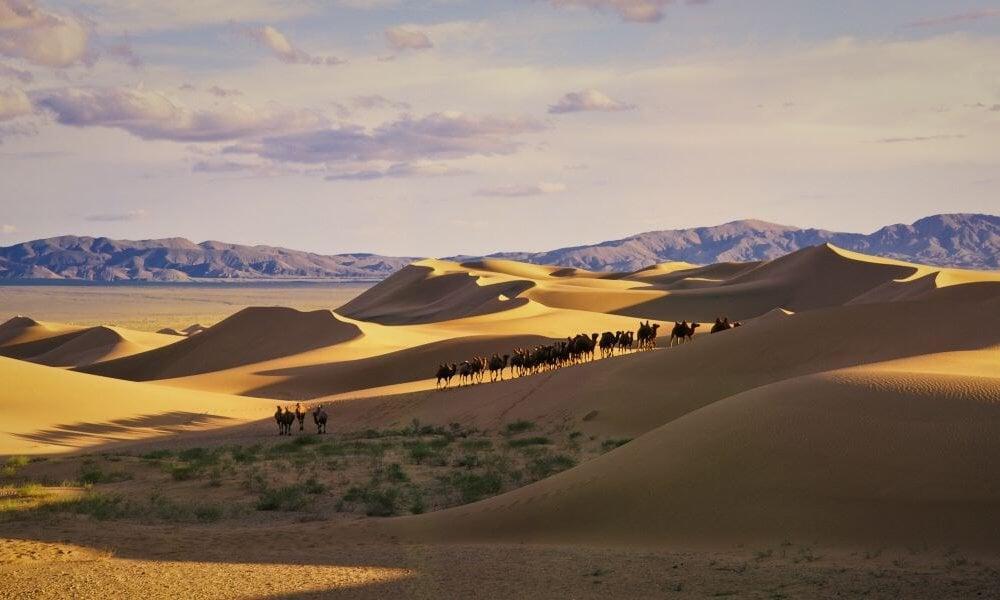
The region is internationally renowned for its fossil sites: the Flaming Cliffs of Bayanzag exhibit vibrant red hues at sunset and are famous for the discovery of the first dinosaur eggs and numerous dinosaur and early mammal fossils. Other features include the Khongoryn Els (Singing Dunes) and the contrasting Yol Valley (Yoliin Am), with its deep, rocky gorges.
The Gobi supports abundant and often rare wildlife, including gazelles, the wild donkey (khulan), various birds, and specialised flora. Travellers engage with this culture by staying in traditional ger camps, riding Bactrian (two-humped) camels, and sharing time with herding families.
Bayan-Olgii – Land of the Golden Eagles
Bayan-Olgii is Mongolia’s westernmost province, known for its distinct Kazakh heritage and dramatic geography dominated by the Mongol Altai Mountains—the country’s highest range. The region features a rugged terrain of jagged, snow-capped peaks, permanent glaciers, and deep alpine valleys.
The core attraction is Altai Tavan Bogd National Park, home to Khuiten Mountain (Mongolia’s highest peak) and the vast Potanin Glacier. This challenging high-altitude environment is characterized by large, crystal-clear glacial lakes (Khoton, Khurgan, and Dayan), making the area premier for serious trekking and mountain photography.
Final Thoughts
Mongolia is a country defined by extraordinary environmental and cultural diversity, offering distinct experiences across its vast geography.
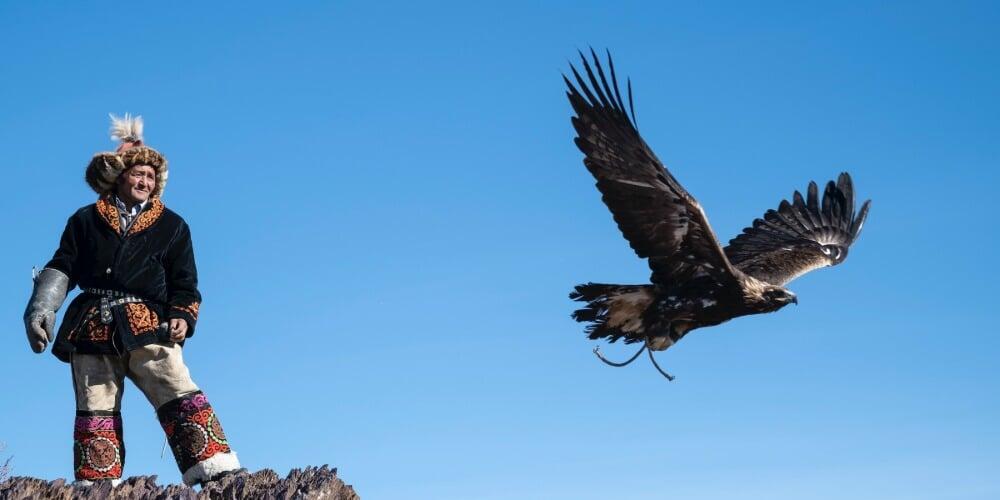
The journey traverses five contrasting regions: the volcanic highlands of Arkhangai, the forested historical heartland of Khentii (Chinggis Khan’s birthplace), the deep, pristine waters of Lake Khovsgol, the semi-arid wilderness and fossil sites of the Gobi Desert, and the high, glacial peaks of Bayan-Olgii, where the Kazakh eagle hunters maintain their ancient tradition.
Mongolia's enduring appeal lies not just in its dramatic landscapes but in the resilience of its nomadic culture. Visitors connect with the authentic hospitality of herding families and the profound quiet of the open horizon. Whether seeking adventure, cultural immersion, or deep serenity, Mongolia provides a distinct and memorable experience unlike any other destination.