Tours Gobi Desert

Gobi Desert

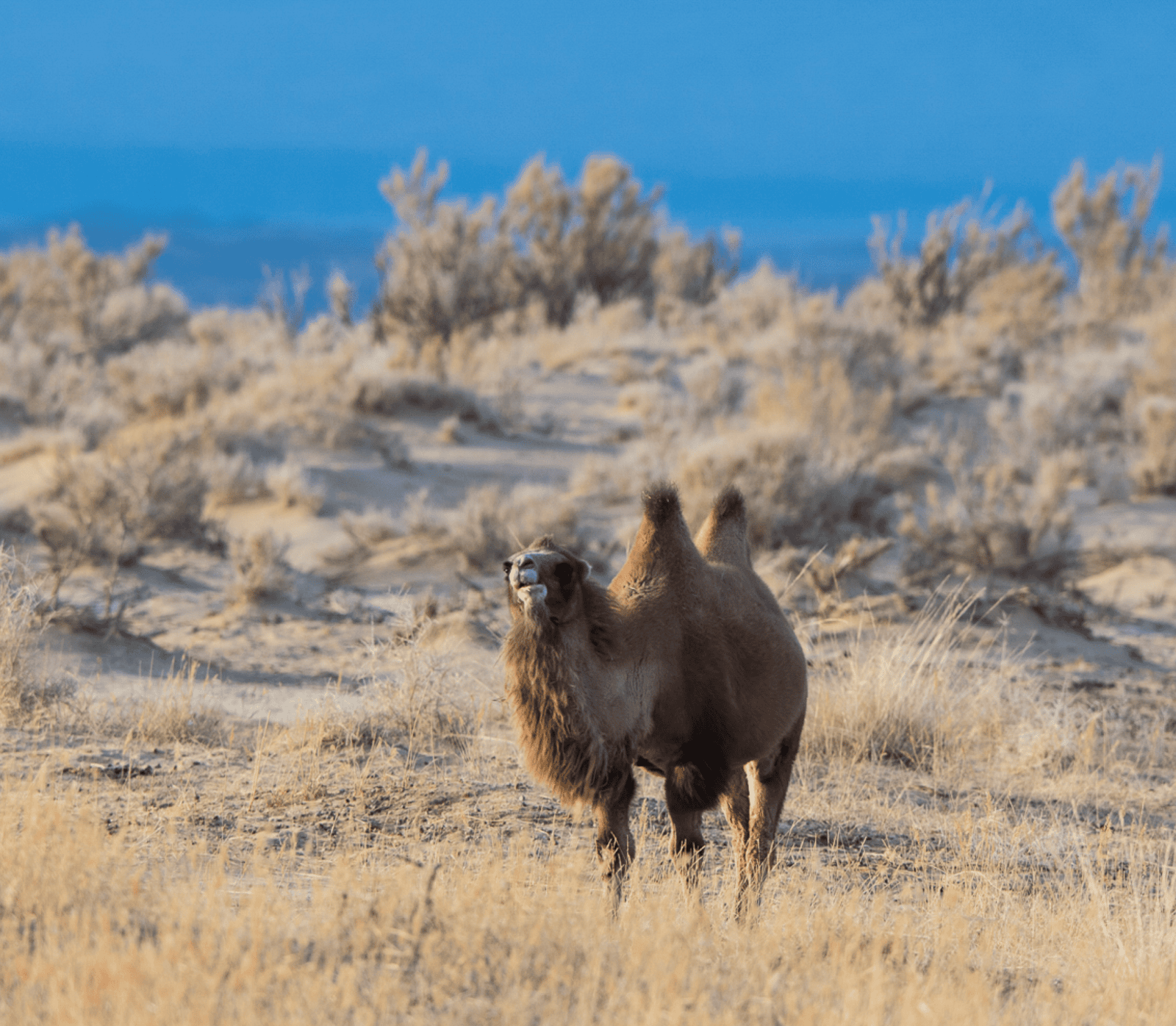
camel walking through the Gobi Desert in Mongolia

July 3-13 , 2026 (11 days)

Gobi to Naadam: Celebrating Mongolia’s Ancient Pulse
View Details
Gobi Desert, Naadam festival cultural tour

July 10-20, 2026 (9 days)

Gobi & Naadam Fusion: Prehistory, Culture, and Celebration
View Details
Gobi Desert wildlife showcasing its cultural and prehistoric legacy

May - October (11 days)

Gobi Unveiled: Prehistoric Landscapes & Cultural Legacy
View Details
Gobi & Naadam Fusion: Prehistory, Culture, and Celebration
Why Choose the Gobi & Naadam Fusion?
Adventure Highlights & Activities
Mongolia Travel Made Simple
Gobi & Naadam Fusion: Prehistory, Culture, and Celebration

Gobi & Naadam Fusion: Prehistory, Culture, and Celebration

Witness the sweeping and dramatic grandeur of Mongolia's Gobi Desert on this 11-day, in-depth experience, blending breathtaking nature, deep history, and the lively passion of Mongolia's Naadam Festival. Offered July 3-13, 2025, and July 3-13, 2026, with departures May through October, this program provides an ideal blend of adventure and tradition.

Why Choose the Gobi & Naadam Fusion?

Why Choose the Gobi & Naadam Fusion?

The Gobi Desert, the vast cold desert of Asia, is a geography of vivid contrasts—ranging from massive sand dunes and reddish-brown mountains to great gorges cut by ancient rivers. This trip starts in Ulaanbaatar, a vibrant city where centuries-old Buddhist monasteries and nomadic-style gers mix with modern architecture and cultural icons. Visit spiritual and historical landmarks like the Gandan Monastery and Chinggis Khan Museum, before traveling south to the depths of the Gobi's wilderness, exploring both its natural riches and its timeless cultural heritage.

Adventure Highlights & Activities

Adventure Highlights & Activities

Arrival in Ulaanbaatar: Be greeted warmly and stay in a downtown hotel, within walking distance of museums, galleries, and craft shops.

Gandan Monastery & Chinggis Khan Museum: Immerse yourself in the spiritual traditions and imperial past of Mongolia, seeing sacred treasures and relics dating back more than 2,000 years.

Yol Valley National Park: Hike the dense, rough gorge of the Altai foothills, seeing rare wildlife such as lammergeiers, Argali sheep, and yaks amidst silence and great beauty.

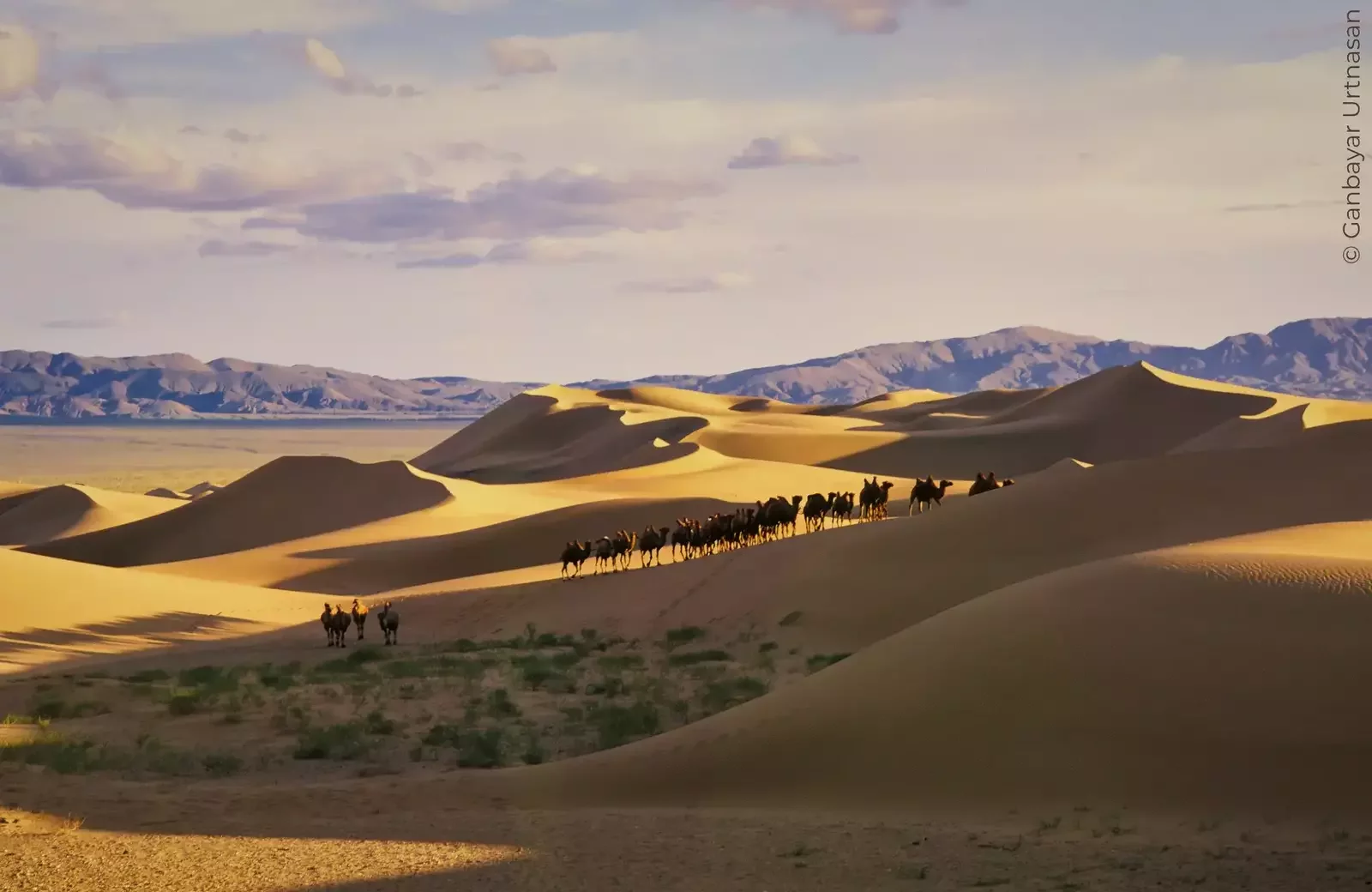
Seeing the Gobi Desert: Cross the Haalgan Davaa Pass into red-and-pink granite scenery in Gyalaan Valley. Travel through the Ayaldai Valley in 4x4 or on sturdy Bactrian camels, ending with the eerie sounds of the Singing Sands dunes at Hongoryn Els.

Prehistory Revealed: Stop at the legendary "Fighting Dinosaurs" fossil site where Velociraptor and Protoceratops were found in combat. Visit Alag Teeg's dinosaur fossils with armor plating and Havtsgait Valley's petroglyphs with ancient rock carvings.

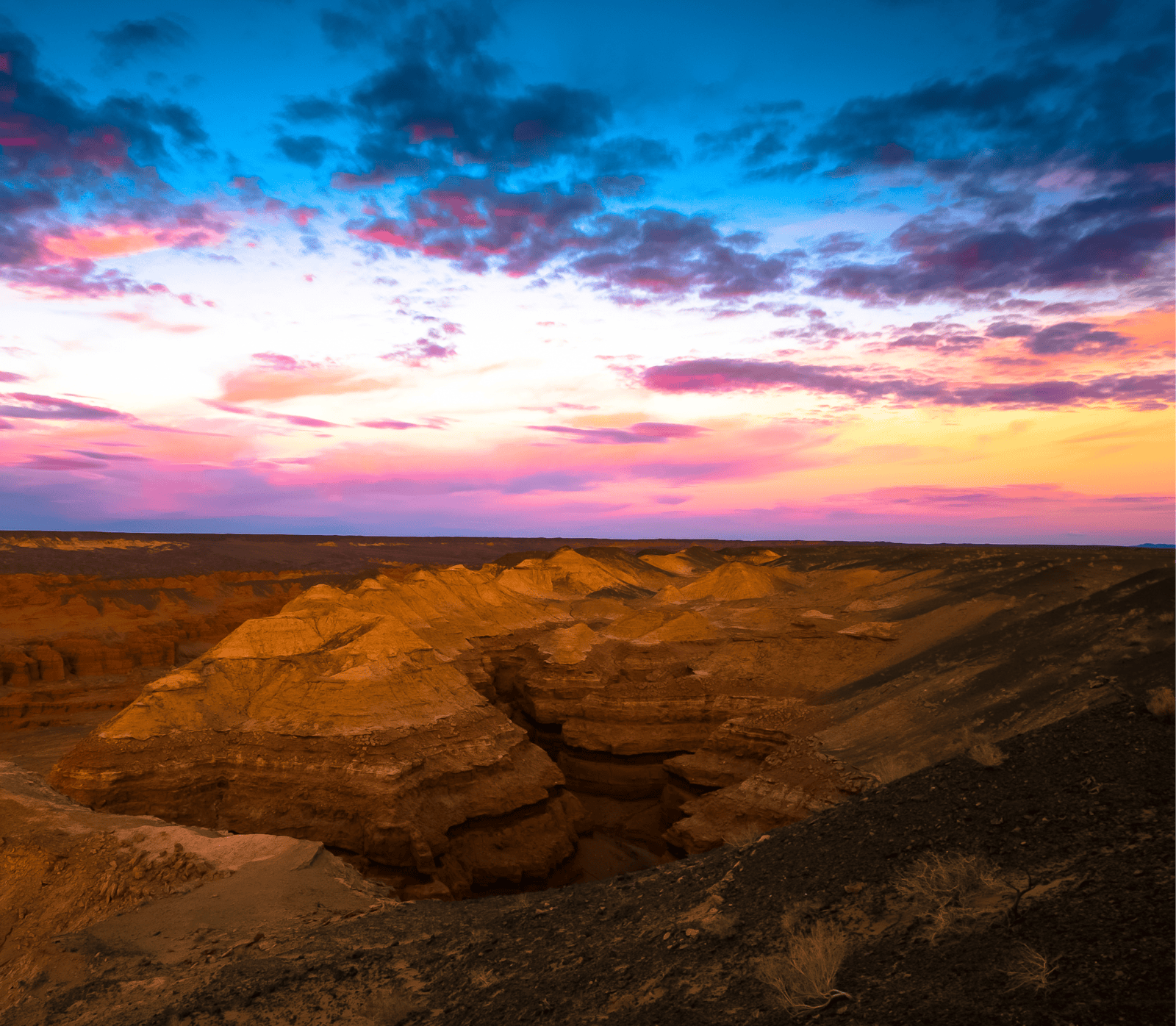
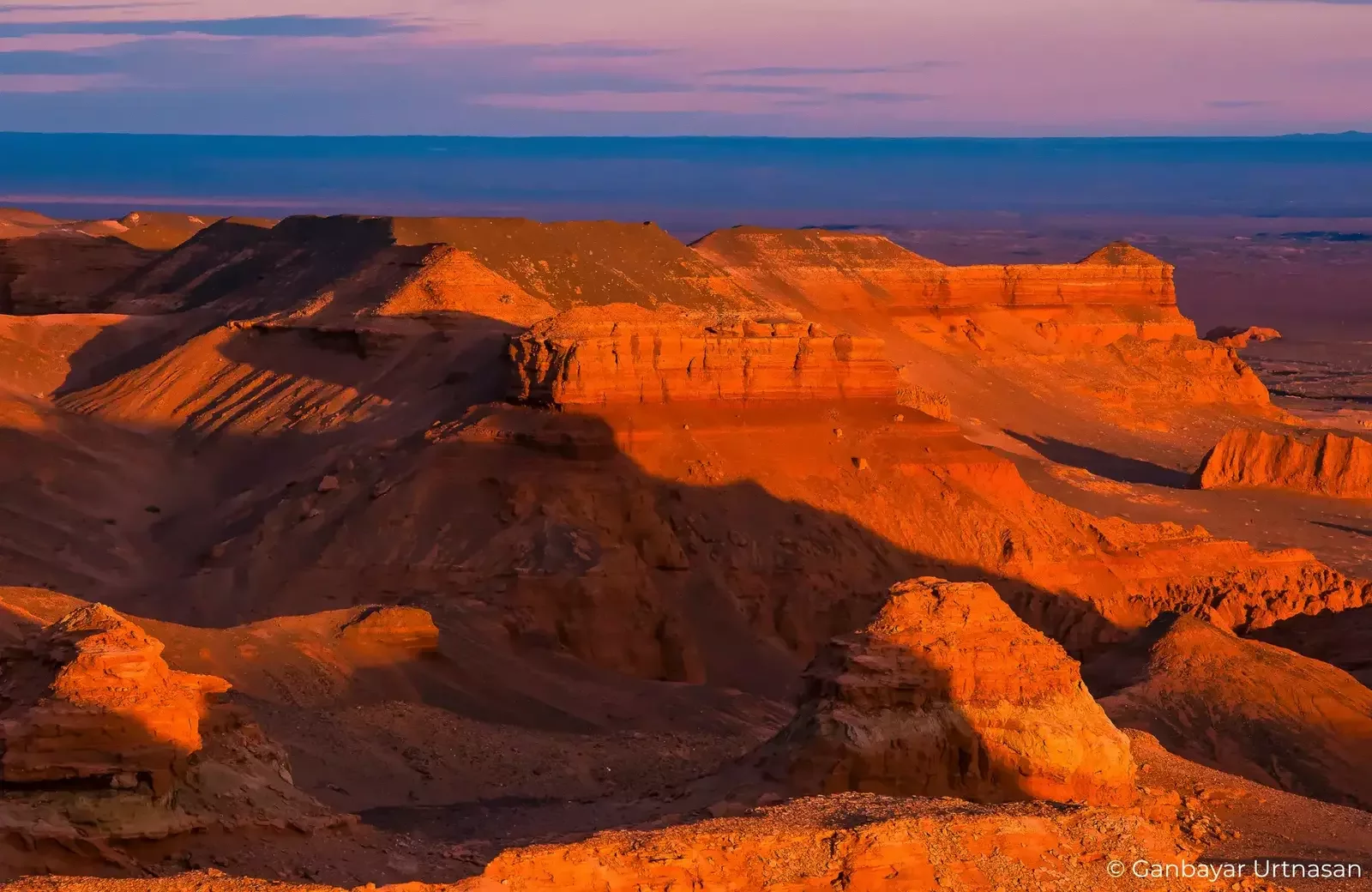
Flaming Cliffs Sunset: Enjoy the stunning sunset over Bayanzag (Flaming Cliffs) where the world's first dinosaur eggs were discovered, a seminal paleontological milestone.

Camel Riding: Take real camel riding treks on the two-humped Bactrian camels, a symbol of desert existence and endurance.

Naadam Festival: Join in celebrating Mongolia's greatest cultural event, featuring wrestling (Bökh), superb archery, and exciting horse racing with youth riders displaying centuries-old traditions.

Cultural Farewell: Back to Ulaanbaatar for one last exposure to Mongolian arts at the Zanabazar Fine Arts Museum and a haunting evening of traditional dance, throat singing, and contortion acts, topped with a celebratory farewell dinner.

Mongolia Travel Made Simple

Mongolia Travel Made Simple

This adventure features all airport transfers, a mix of comfortable hotel and ger-camp stays, guided tours, and in-country transportation as described. Your bilingual expert guides guarantee an enriching and secure journey through Mongolia's most famous landscapes and cultural attractions. Light travel is guaranteed with backup vehicles carrying bags and camping equipment, and the itinerary striking a balance between wilderness experience and cultural exploration in travel terms.

Participate in this Gobi & Naadam Fusion journey to discover the prehistoric marvels, expansive desert scenery, and national vitality of Mongolia on a special trip that blends natural beauty with profound cultural contact under expert leadership.
FAQ

What makes the Gobi Desert unique compared to other deserts?

(People also often ask: Why is the Gobi Desert so special? / What is the Gobi famous for?)

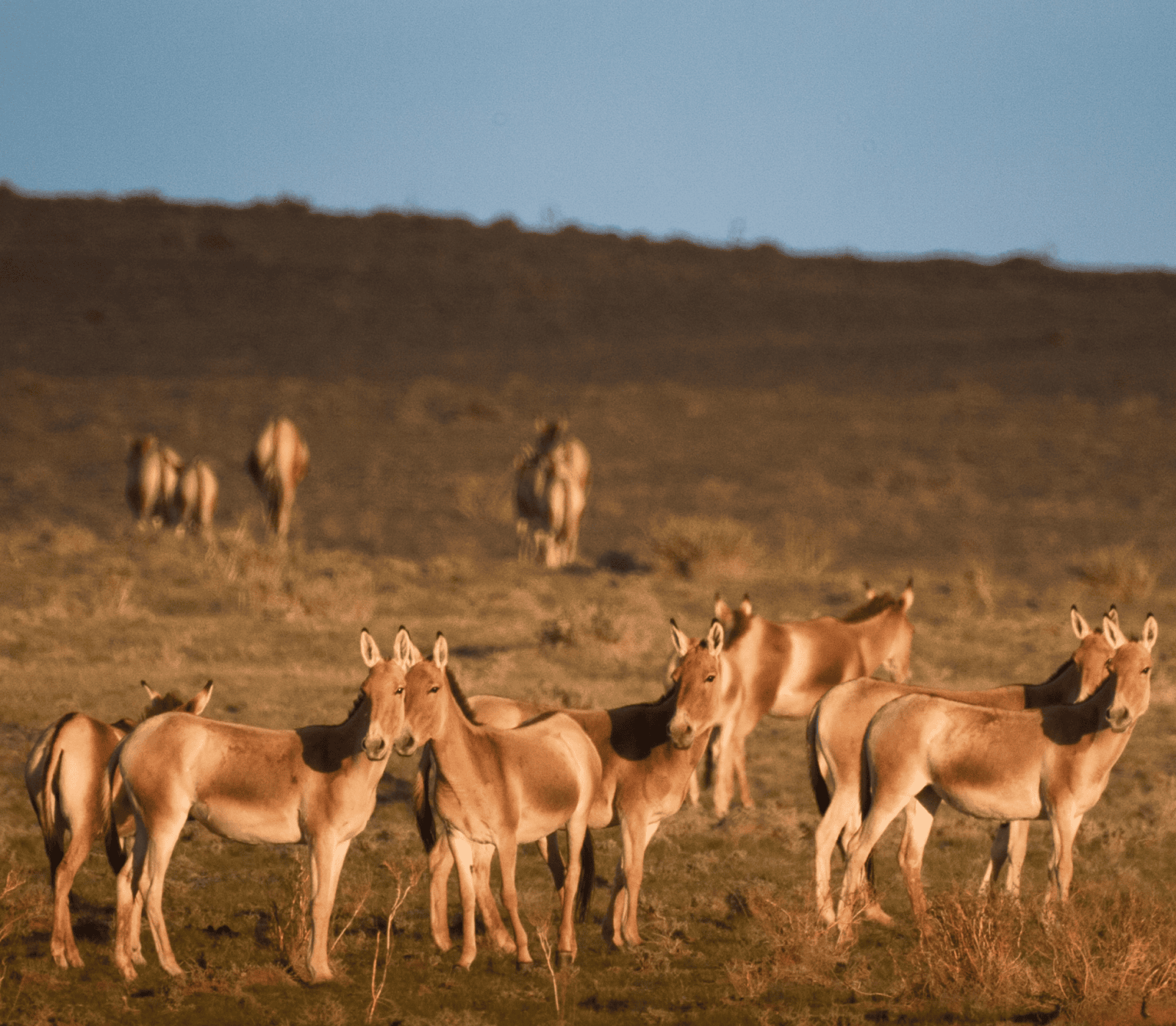
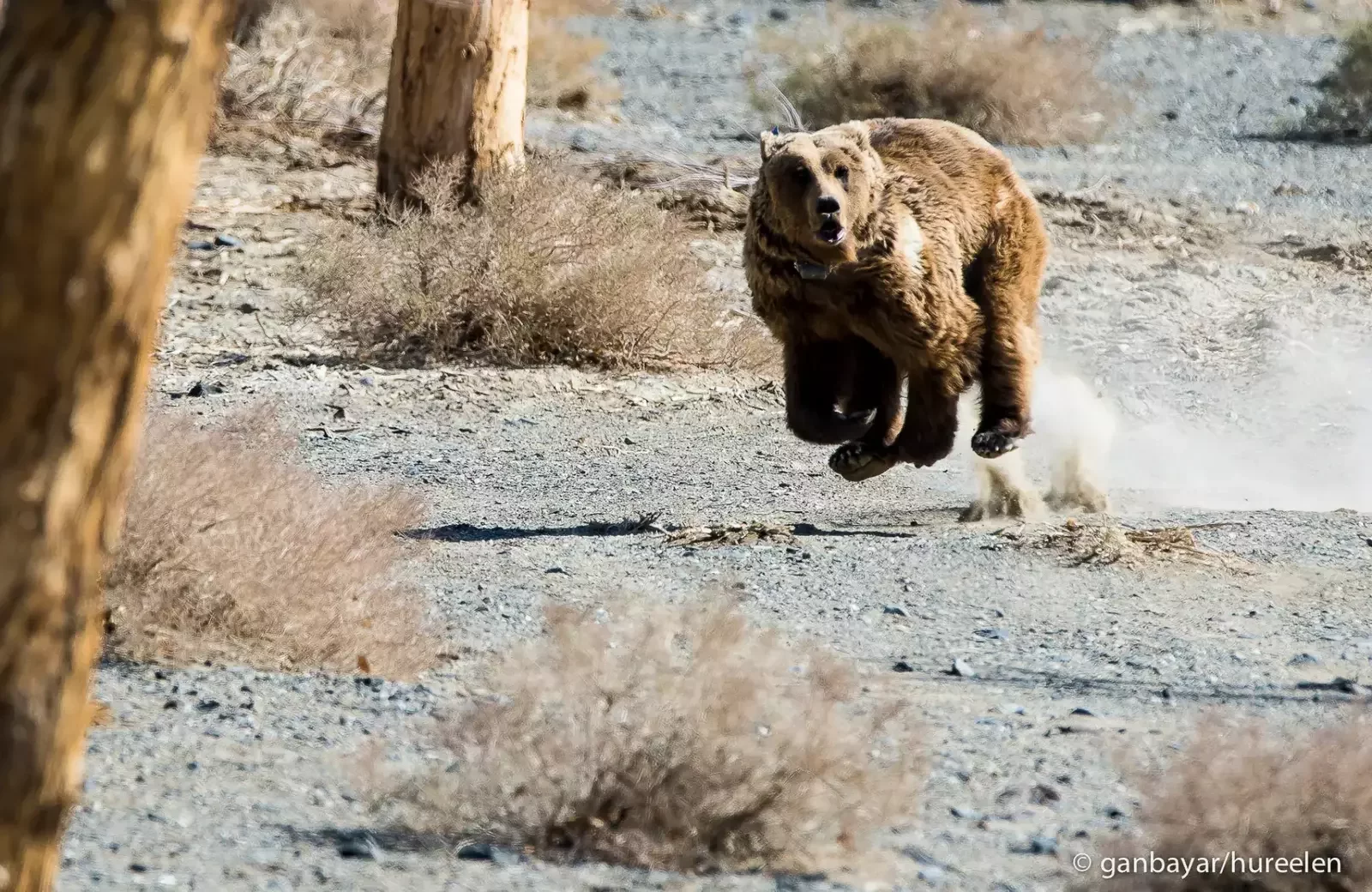
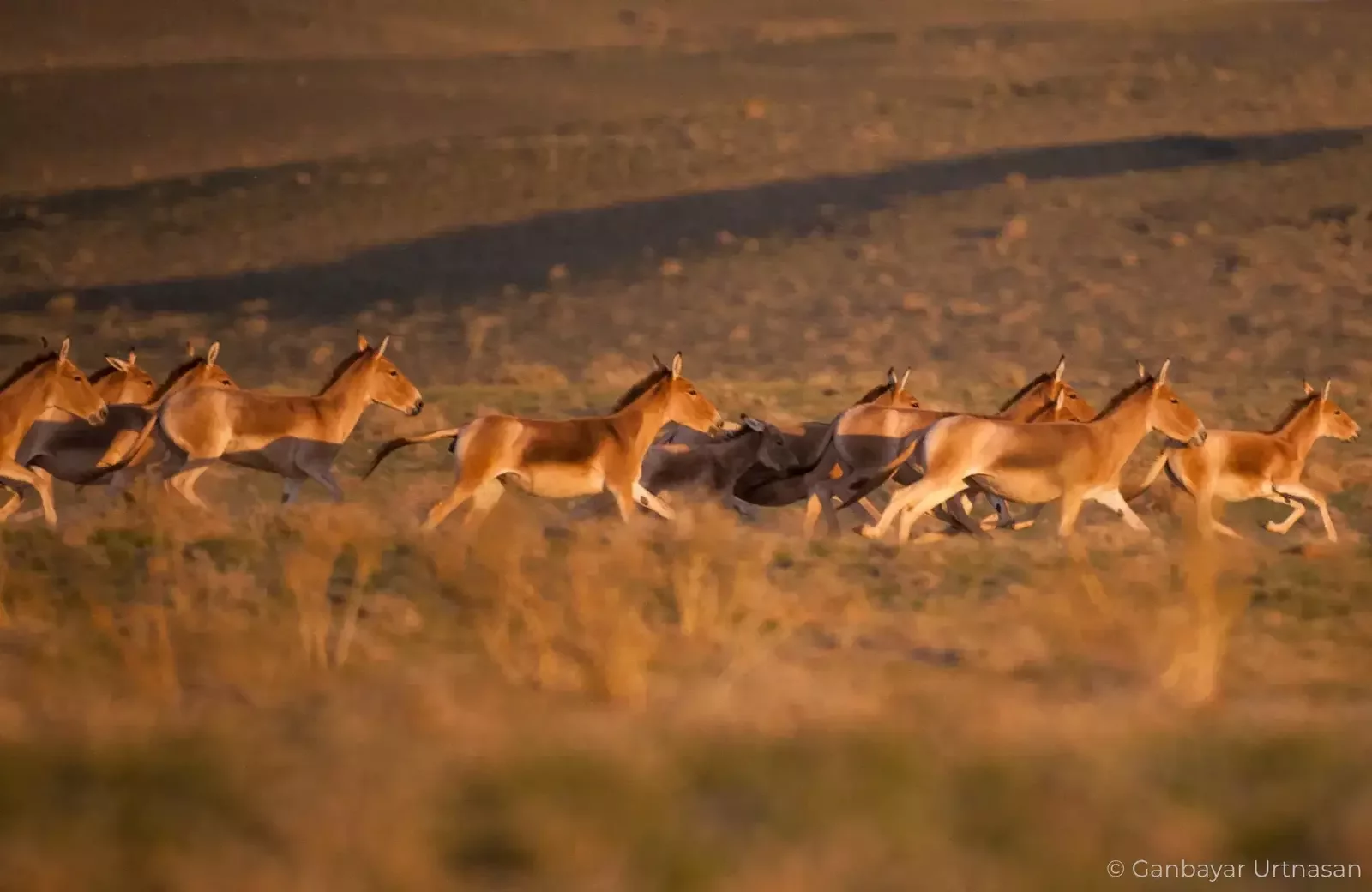
The Gobi stands apart from typical sandy deserts like the Sahara in several key ways. It is not entirely sand, featuring a diverse landscape of rocky canyons and red cliffs (like the Flaming Cliffs), alongside its iconic dunes. It is world-renowned as a paleontological goldmine for its rich dinosaur fossil sites, including the discovery of dinosaur eggs. Furthermore, the Gobi supports a resilient nomadic culture with families herding livestock, including the famous two-humped Bactrian camels, and provides a habitable environment for rare wildlife like the Gobi bear (Mazaalai), wild ass, and Argali, big horn sheep.

Are there cultural encounters on this journey?

Yes! Your journey is designed for a deep cultural experience, which even includes opportunities to visit nomadic families and see their livelihood, day-to-day activities, and share food.

It’s amazing how you can stop any random family along the way and immediately experience the legendary nomadic hospitality. When trips coincide with festive events such as the Naadam Festival or even local weddings, it is incredible to see the traditions, activities, and celebrations firsthand. Truly, every day of the trip is an experience of the traditions and culture through meeting and communicating with the local people.

Will I get to ride camels on this trip?

Yes, definitely. We will have opportunities to ride the famous two-humped Bactrian camels. You can try a short walk just for the experience, and organize a half-day ride if you enjoy it. This is one of the most iconic and essential experiences of a Gobi Desert journey.

Why are the Flaming Cliffs so famous?

Bayanzag earned the name Flaming Cliffs due to its fiery glow against the color of the Gobi sky. This spectacle occurs at sunrise and sunset when the low-angle light illuminates the iron-rich rock face.

The Flaming Cliffs are a cornerstone of modern paleontology due to the groundbreaking fossil discoveries made by American paleontologist Roy Chapman Andrews, the real Indiana Jones. In his 1923 expedition, he discovered the world's first fossilized dinosaur eggs, which revolutionized the understanding of dinosaur life. Remarkably well-preserved fossils found here have made it one of the richest and most important fossil sites globally.
What is Yol Valley National Park famous for?

Yol Valley (Yoliin Am, or Vulture's Mouth) is a lush gorge, which is one of the key natural contrasts in the Gobi Desert. It is a narrow canyon with a stream that is a rare oasis of greenery in the arid Gobi Desert. Its fame rests on its ice fields, which form thick layers in winter and often last well into the summer months, sometimes into July or August. The area features rocky cliffs that allow for unique hiking and exploration and is a key habitat for wildlife, including the Siberian Ibex and the Argali sheep.

Can you visit the Gobi Desert?

(And is the Gobi Desert hot or cold?)

The Gobi Desert is open and even welcoming tourists to explore its unique landscapes and wildlife. The desert has a continental climate: it can be hot during the summer months, ranging 80F to 100F during summer days; but cold in the winter, ranging between 0F and 20F. Because the air is dry (not humid), the weather is bearable and comfortable whether in summer or winter with appropriate attire.

What are the Singing Sands?

Khongoryn Els dunes stretch for over 100 miles (approximately 180 km) in the Gobi Desert. They "sing" when sand shifts under wind or footsteps, resonating a low hum. This natural wonder is created by a combination of specific conditions, including the cleanliness of the sand. The grains must be very clean, free of dust, pollution, and organic matter, to allow the necessary vibrations for sound production.