
Top Trail Riding Adventures in Mongolia       

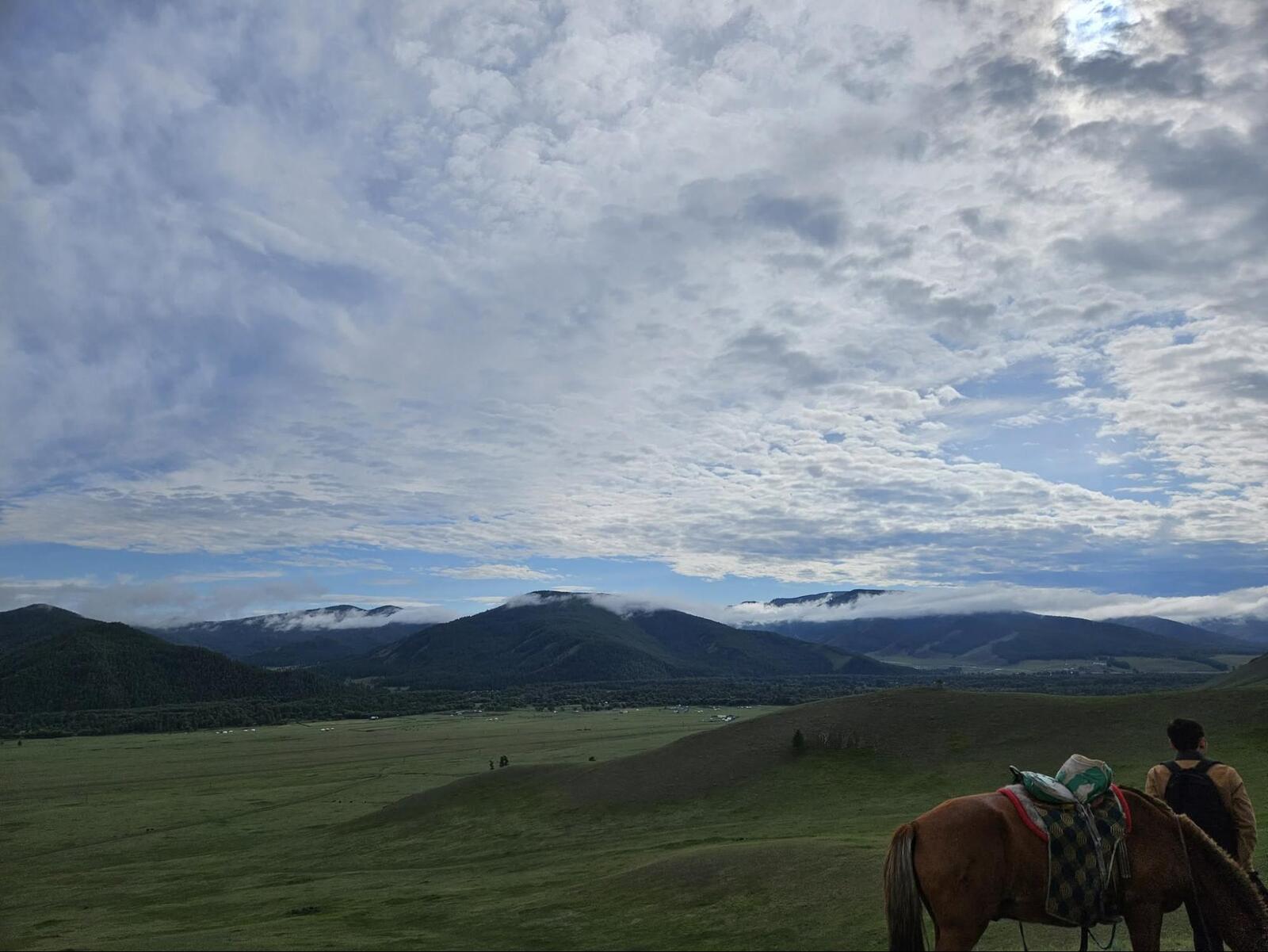
Horseback riding adventure travel in vast green valley with mountains and dramatic cloudy sky

Steppe, Mountain & Lakeside Routes

Our bucket list is crowded. We wish to sail oceans or cross continents by rail. But time is always against us. To compensate, there are faster options: bus tours, helicopter tours, and hurried itineraries. But these aerial views are detached. There is no feeling when you are suspended behind a window, with no strings attached to the earth

To truly feel a place, we must be attached to it. Whether it is strolling through urban streets and subways to feel the pulse of a city, or riding through the wild, we need the support of the earth beneath us. To move across the land by cycle, boat, camel, or horse is to experience it personally.

The horse is our oldest and closest partner in this movement. It has been the fastest, smartest, and most intuitive ride throughout history. This is why trail rides remain the ultimate encounter for any bucket-list destination. If you visit the Grand Canyon, you don’t just want to see it; you want to trail ride through it.

For the horse enthusiast, Montana and Wyoming are the traditional standards. But if you seek the next frontier of this attached experience, a Mongolia tour must be at the top of your list.

The Mastery of Mongol Horse
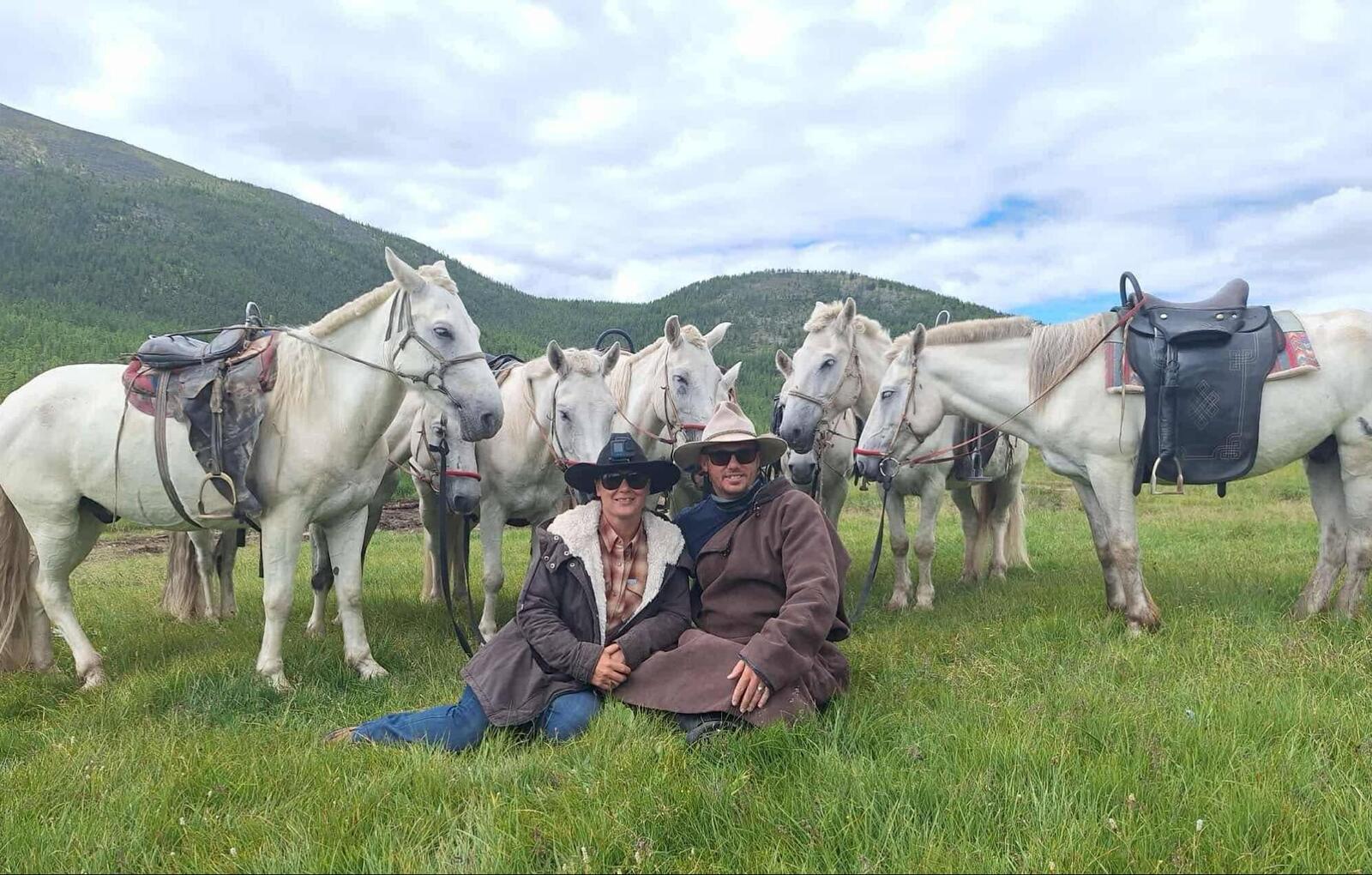
In Mongolia, it is more than a ride; it is a culture. Our horses are independent and reliable, capable of taking care of themselves on the longest journeys. They match your intent. If you wish to pace leisurely, they follow. If you wish to trot, they respond. If you choose to walk and exercise your legs, the horse will simply follow behind you. If you want to chat with a fellow rider, your horse will ride in parallel, matching their pace with a quiet, independent intelligence.

Group with horses on Mongolia horse tour in green valley landscape

While we offer progressive trips and pack rides for the seasoned explorer, our trail rides are designed for those who want leisure without the pressure of endurance. Here are the top destinations for trail riding in Mongolia, selected for their comfortable daily temperatures, proximity to vital routes, and the luxury of a glamping retreat at the end of the day.

1. Khuvsgul, lakeside route

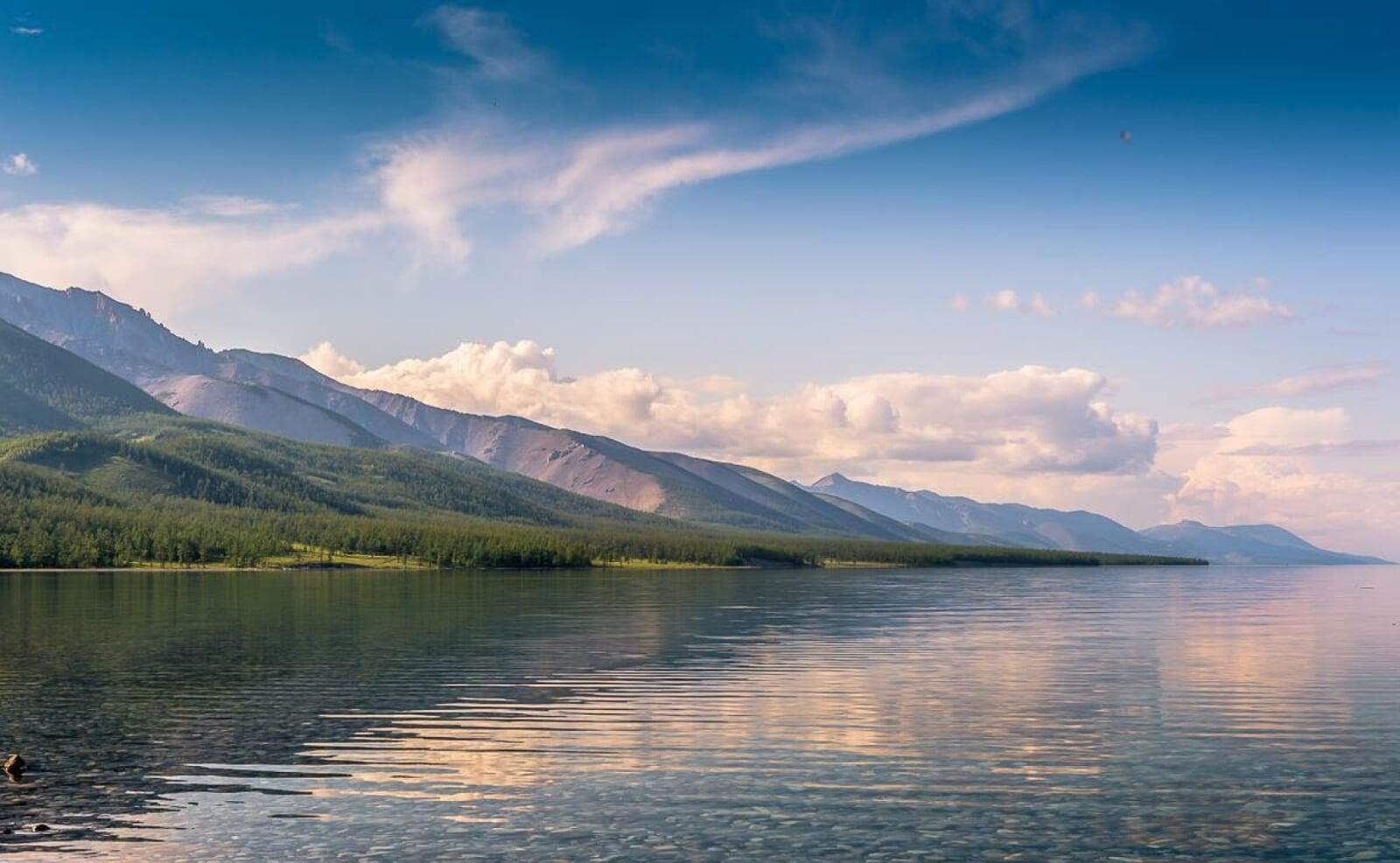
The lake is surrounded by forested mountains, and the trail is defined by continuous hills and descents. Because this is a popular destination, you’ll find several ger camps along the way, some even offer sea kayaking if you want to swap the saddle for a paddle. Although it is technically a lake, its scale is massive; locals call it Dalai Eej, which translates to Mother Sea.
Typical features of camel trekking:

  • The Terrain: Hills and mountain passes through larch forests along Lake Khuvsgul.
  • The Experience: It feels like riding along the seashore, but instead of an endless flat beach, you are riding through high ridges with the view of the blue horizon below.
  • The Pivot: If you have extra days, this route can easily be extended into an expedition through the Darhad Valley to reach the Reindeer People (Tsaatan). If you’ve made it this far north, the extension is worth considering.
Khusvgul Lake landscape with mountains and clear water in Mongolia

2. Arkhangai, the open steppe

This is the quintessential Mongolia tour. It offers the perfect balance of mountains, rivers, wide grasslands, and deep nomadic culture.
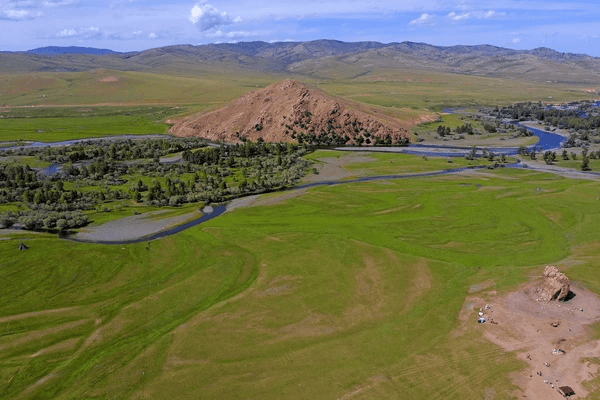
  • The Terrain: Open grasslands, gradual mountain passes, and green river valleys.
  • The Experience: Unlike the restricted, fenced paths of western national parks, the steppe allows for a true progressive trip. We move to a new campsite every night. Even novice riders can safely enjoy all horse paces here, the walk, trot, and gallop (and there are three more phases in between), and easily learn to tell the difference. You can recover at the end of the day with a glamping retreat by the river.
Open steppe landscape in Arkhangai Mongolia with river and green plains

3. Khentii: Mountain Pack Trips

This is the "deep remote”, despite being the closest to the city in distance. Its protected and sacred status keeps it remote and wild. We drive to the edge of the buffer zone, and from there, the modern world disappears as we saddle up to enter the sacred land.
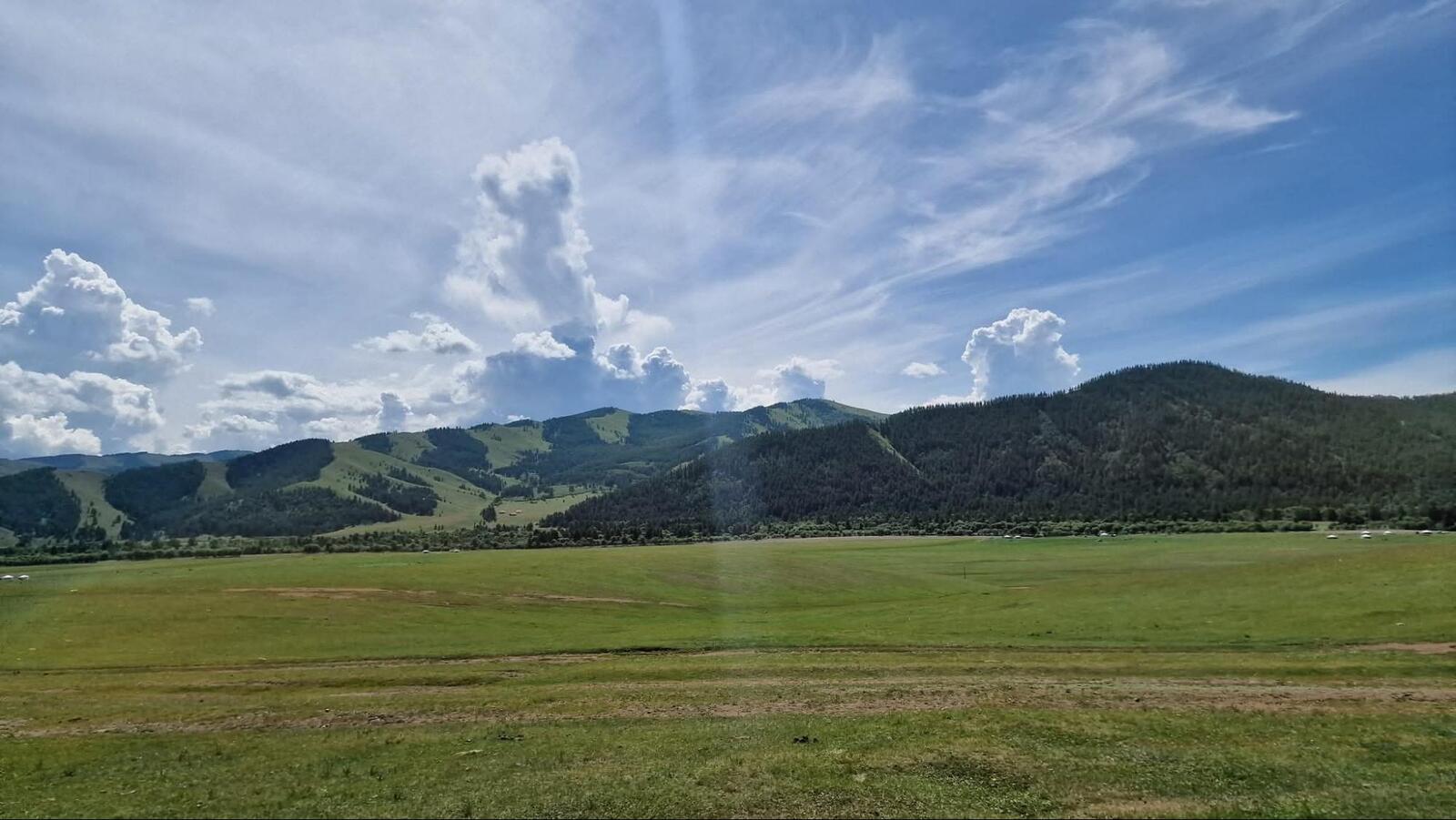
  • The Terrain: High mountain ranges and deep, isolated valleys.
  • The Experience: This is a classic pack trip. You will thrive here if you are a true outdoors person who also enjoys the practical side of a trip: participating in setting up camp, sharing basic but hearty meals, and sleeping by alpine lakes in the heart of the mountains.
Khentii Mountains Mongolia steppe and hills landscape

Conclusion

Travel is not about how much we see, but also how we feel. In a world of hurried itineraries and distant views, Mongolia remains one of the few destinations where the connection is still real, still grounded. Here, movement is not rushed, and every mile traveled carries a sense of presence that is often lost elsewhere.

If this is the kind of connection you seek, explore thoughtfully designed journeys with Gobitravel and discover adventure trips that go beyond the ordinary.

FAQs

Not necessarily. While some routes are better suited for experienced riders, many tours are designed to be accessible to beginners. You do not need to know how to saddle a horse or have extensive riding experience. The most important qualities are a spirit of adventure, a reasonable level of fitness, and an open mind.

Absolutely. It is one of the most untouched natural environments in the world, making it perfect for those seeking silence, space, and raw landscapes.

Unlike fenced or restricted trails elsewhere, Mongolia offers open terrain where riders can move freely, creating a more immersive and unrestricted experience.

No, Mongolia is generally not an expensive destination. Costs depend on your travel style; budget trips can be quite affordable, while guided journeys and remote experiences may cost more due to transportation, logistics, and inclusions like meals, camps, and local support.

Most trails are flexible rather than fixed paths. Riders can adjust routes based on weather, pace, and preference, allowing for a more natural journey.