
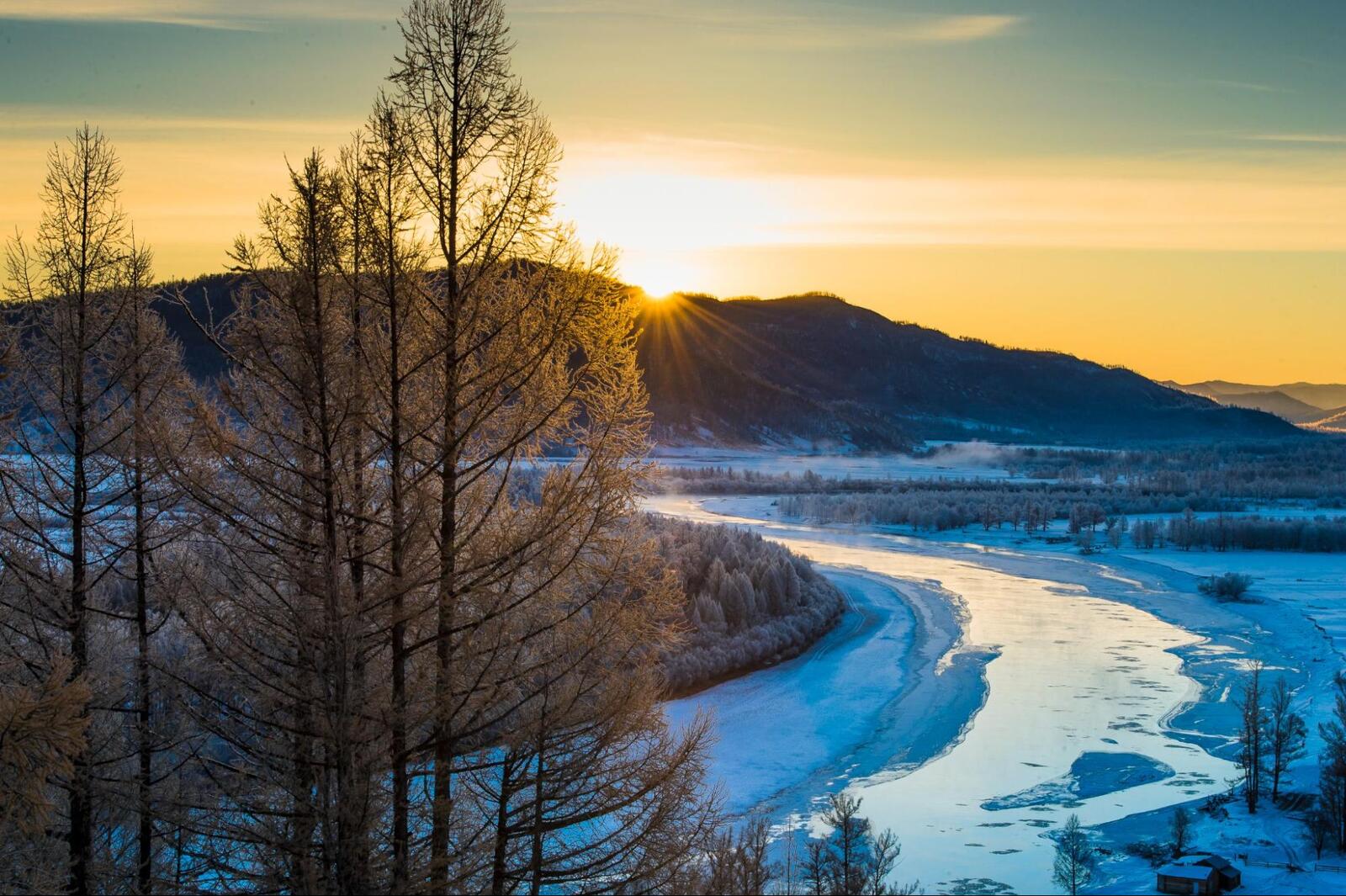
Mongolia’s geography and low population density contribute to wide areas that are rarely included in standard travel routes. Regions such as Khuvsgul Lake, the Khentii Mountains, and Arkhangai provide travelers with a clearer understanding of the country’s landscapes, climate, and rural life. This article explains what to expect in these regions, how travel works on the ground, and which planning factors matter most for a realistic trip.
Khuvsgul Lake: Exploring Northern Mongolia
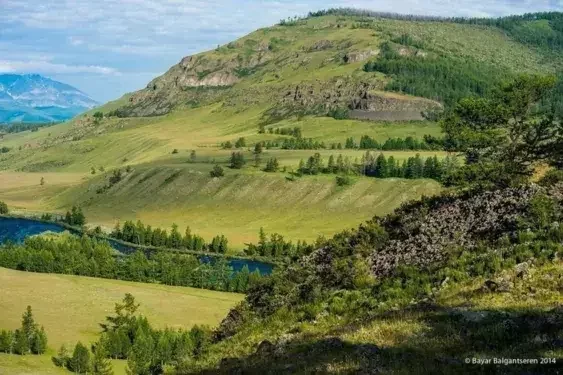
Khuvsgul Lake is located near Mongolia's northern border and as one of the world’s few ancient lakes, its 2-million-year-old waters are so famously pure and crystal-clear that you can see deep into its depths from the surface. The region remains a pristine wilderness, home to small nomadic communities and seasonal herders, offering a rare escape into a landscape that has remained largely unchanged for centuries
While the journey involves long travel times, the region is accessible via several modes of transport. Daily public bus services and private minibuses run from Ulaanbaatar to Murun (the provincial center), typically taking 12–16 hours. For a faster alternative, domestic flights to Murun Airport operate regularly, reducing travel to just over an hour. While the primary roads are paved, they are narrower and more rugged than standard international highways; therefore, travelers should still plan for "Mongolian time" and include buffer days in their itinerary to account for local conditions.
The summer months offer the most stable access to the lake. However, due to the high altitude and northern latitude, even summer nights can be quite chilly. Outside of this window, temperatures drop rapidly, and the lake remains frozen from January through May. While winter travel is possible and features the famous Ice Festival in early March, extreme cold (often reaching -30°C) and shifting ice conditions require specialized preparation and experienced local drivers.
Accommodations around the lake range from rustic guesthouses and authentic nomadic homestays to well-established tourist ger camps that offer modern amenities like hot showers, electricity, and on-site restaurants. While the experience is centered on nature, several "luxury" camps now provide upgraded gers with private bathrooms and Wi-Fi. For supplies, it is best to stock up in the provincial capital, Murun for fresh produce and gear. Once at the lake, the village of Khatgal offers several mini-markets, charming local cafes, and artisan shops for essentials and souvenirs, though selection is naturally more limited than in the city.
Khentii Mountains: Terrain, Travel, and Local Life
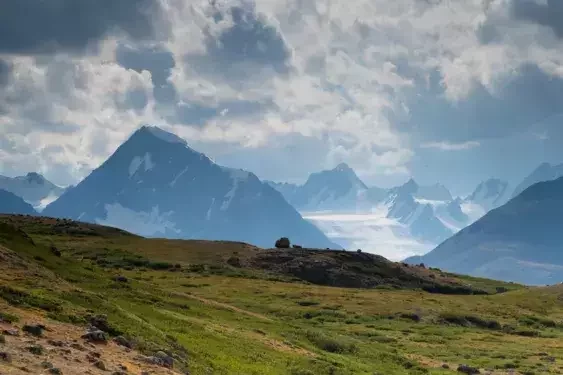
The Khentii Mountains form a forested region in eastern Mongolia, distinct from the open steppe. Rivers, hills, and dense woodland define the terrain, along with strong historical significance. As the birthplace and final resting place of Chinggis Khan,
the range is deeply revered and remains a sacred site for the Mongolian people. This spiritual connection preserves the landscape, where nomadic families continue to herd livestock along the mountain fringes just as their ancestors did.
Remote areas of Khentii region are characterized by marshy river basins and dense larch forests, making navigation significantly more technical. There are few paved roads once you leave the main route toward Chinggis City; most travel requires a high-clearance 4x4 vehicle to negotiate mud and river crossings. Because many areas are strictly protected (such as the Khan Khentii Strictly Protected Area), hiring an experienced local driver or guide is essential, as they understand the "hidden" tracks that don't appear on GPS and can manage the logistics of required border or park permits.
Mongolia's diverse landscapes make it a popular location for adventure travelers. The unpredictable nature of the weather means that layering clothes and having a flexible schedule is important. Travelers should prepare for damp conditions and high humidity near the rivers. Because of the dense forest cover and river systems, temperatures are often cooler than on the open steppe, so high-quality waterproof gear and thermal layers are essential for anyone planning to camp or trek.
Small herding families live seasonally in different locations throughout Mongolia. Understanding the daily practices and customs of these communities provides travelers with insight into important things about Mongolia.
Arkhangai: Central Mongolia with Easier Access
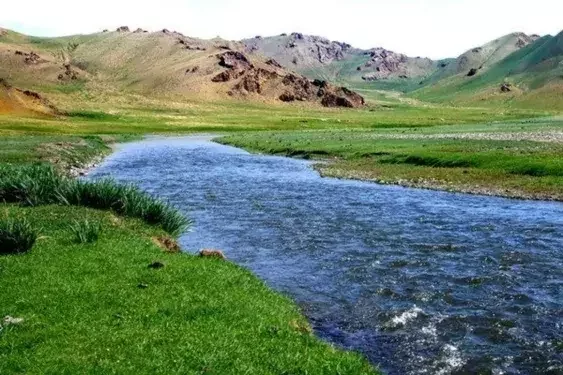
Arkhangai, in central Mongolia, features volcanic landscapes, alpine meadows, rivers, and active pastoral communities. Known for lush pastures, nomadic herders, and traditional dairy products, the region is easily accessible and well connected by main travel routes. Its network of ger camps makes Arkhangai one of the most approachable places to experience authentic steppe life.
Arkhangai benefits from a relatively well-developed road network compared to the remote north. Daily public buses run from Ulaanbaatar to the provincial capital, Tsetserleg, a journey of roughly 7–9 hours on mostly paved surfaces.The reliability of shared taxis and private 4x4 rentals makes overland travel efficient. While main arteries are paved, the final stretches to volcanic sites or nomadic gers often involve dirt tracks that can become muddy or impassable after heavy summer rains.
The province is a hub for both history and wellness, featuring prominent sites like the Erdene Zuu Monastery (nearby) and the thermal waters of Tsenkher. Travelers can participate in the "Herder Camp" programs, which allow you to stay in specially designated guest gers managed by nomadic families. This provides a front-row seat to daily activities like yak milking and the production of airag (fermented mare's milk). While these experiences are deeply authentic, booking through a tour operator is recommended to bridge the cultural gap and ensure respectful interaction during sacred rituals or private family gatherings.
You will find a high density of tourist ger camps that offer a mix of traditional stays and modern comforts, including restaurants and hot showers. In Tsetserleg, small hotels and local cafes provide a familiar base for travelers. English proficiency is generally limited to camp managers and younger residents in the provincial center; therefore, a translation app or a local guide is invaluable for deeper conversation. Cash (Mongolian Tugrug) is the essential currency here, while mobile banking and credit cards are popular where power and cellphone coverage is present.
Conclusion
Mongolia's terrain and travel conditions are very diverse in the Khuvsgul Lake region, Khentii Mountains, and Arkhangai. To experience these areas fully, travelers should respect unique aspects of Mongolian culture and lifestyle. By focusing on logistics, understanding seasonal variations, and observing daily life, visitors gain a deeper and more accurate understanding of the country.