
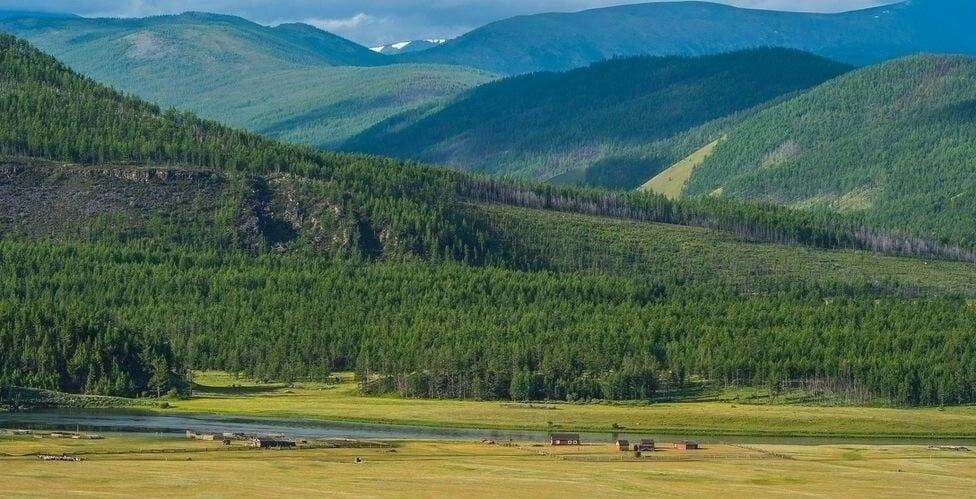
Efficiency is the hallmark of modern sustainability. In almost every industry, we use technology and data to manage better, squeezing more from less. But in Mongolia, this logic is reversed. Inefficiency is what maintains the proper ratio of abundance and happiness. Therefore, adventure trips in Mongolia remain limited and far from the mainstream.
Sustainability by Joy
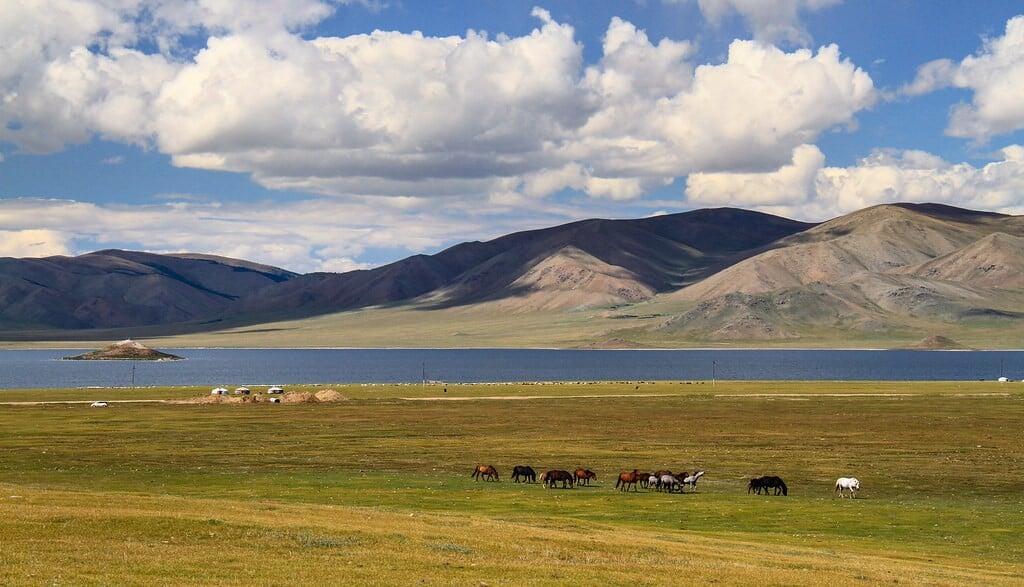
In a world without fences, you have a horizon that can accommodate all your wealth and more. In nomadic culture, wealth is measured by livestock headcount. It is a natural human impulse to want to increase that number. And given that the grass and water are gifts from the gods, the infinity of growth should, in theory, be the only ceiling.
But for the nomads of the steppe, the drive for centuries hasn’t been the pursuit of the infinite. The goal is the joy of wealth, not the volume of it.
The Limits That Define Balance
That joy is governed by simple logistics:
There is a threshold at which a herd becomes too large for a family to manage.
There is a moment where the labor of milking, processing dairy, and securing winter fodder shifts from a livelihood into a burden.
In a life without freezers or refrigerators, fresh milk must be processed daily into butter, yogurt, and different types of cheese.
Exceeding personal capacity turns abundance into physical strain.
If you exceed your personal capacity, the back-breaking load affects the joy. Sustainability in Mongolia is the fine line between environmental capacity and human happiness. It is a system that punishes greed with exhaustion and rewards balance with survival.
Mobility Over Permanence
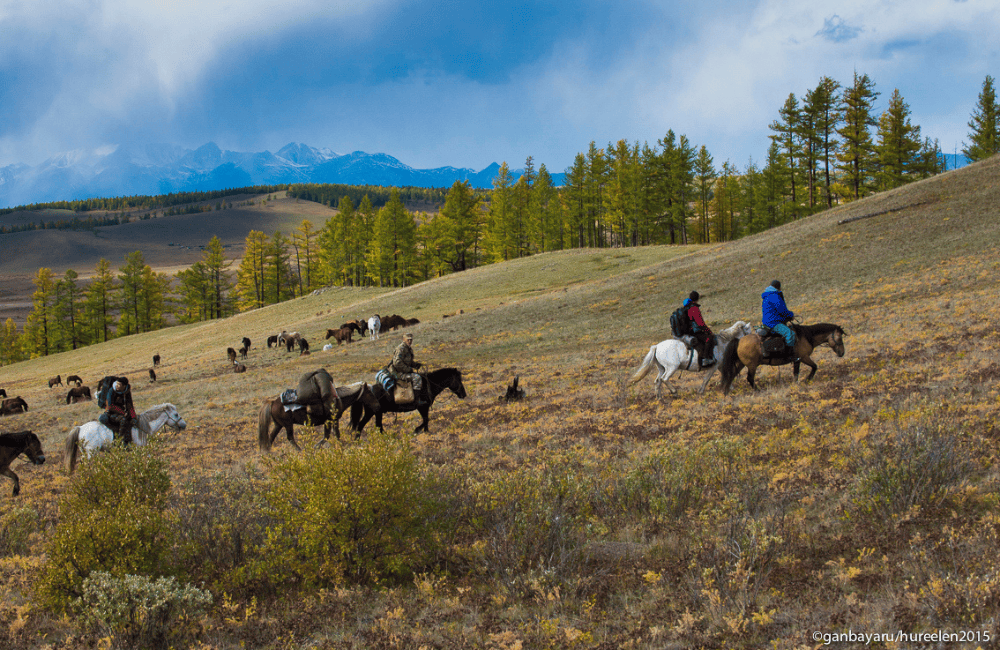
For most of us, settling down is the ultimate achievement. We build bigger houses and find peace behind the fences we put around them. Our philosophy seeks comfort and peace by blocking access to others. The philosophy of the Mongolian nomad is the inverse. To a nomad, that same fence looks like a cage that blocks his own mobility. They find peace only when the space is open.
Why Movement Sustains the Land
With mobility comes sustainability:
- The more you move, the lighter the impact on the environment
- Land is given time for regeneration and replenishment within just one year
- No single area is overused or exhausted
But this mobility is not easy.
It requires:
Disassembling your home
- Packing everything
- Reassembling it again
- Repeating this cycle four to six times a year
Choosing this over the ease of being settled requires true courage. It is the act of stepping out of the comfort zone in the most literal sense.
Yet, this movement has its own rewards.
As humans, we have an innate need to explore. While we spend our lifetimes anchored to a single point, only to pay more later to escape it, the nomad satisfies that primal need every day.
They get to explore all the time.
This is why some travelers choose to tour Mongolia, not just to see a place, but to understand this way of living.
Less is the New Luxury
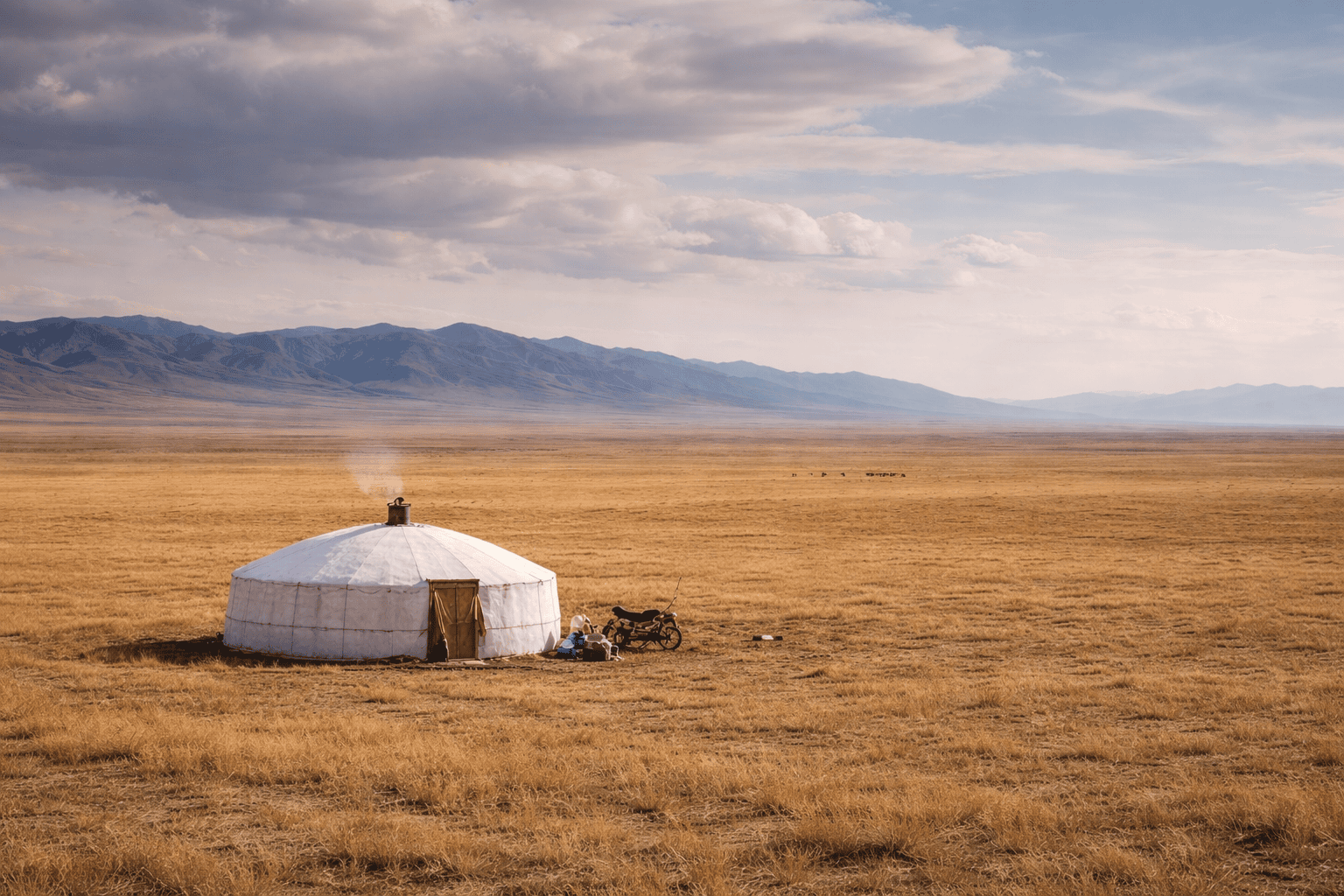
Due to its remoteness and limited access, Mongolia has not yet become a mainstream travel hub. To reach that status would require more buildings, more infrastructure, and the kind of "efficient" management that squeezes a landscape until it becomes a busy "railway station."
But while the world waits for the tracks to be laid, the current lack of access is precisely what protects the experience.
Experience Without Overdevelopment
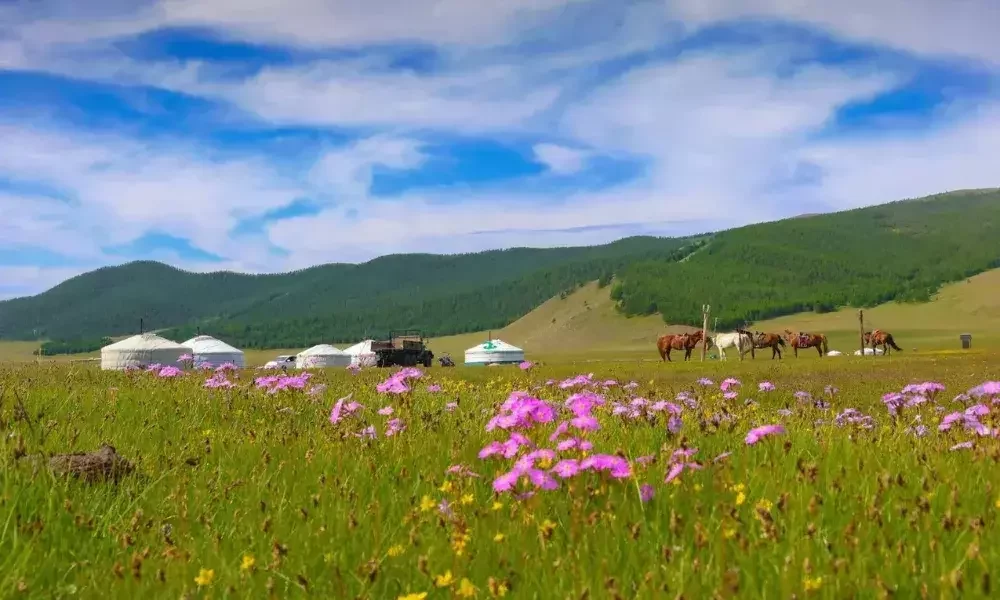
This inefficient capacity allows us to see and experience nomadic life at its origin.
The real things to do in Mongolia are not manufactured attractions, but lived realities:
- Observing daily nomadic routines
- Experiencing open, uninterrupted landscapes
- Living within natural rhythms instead of fixed schedules
- Understanding life without imposed boundaries
A Balance That Sustains Itself
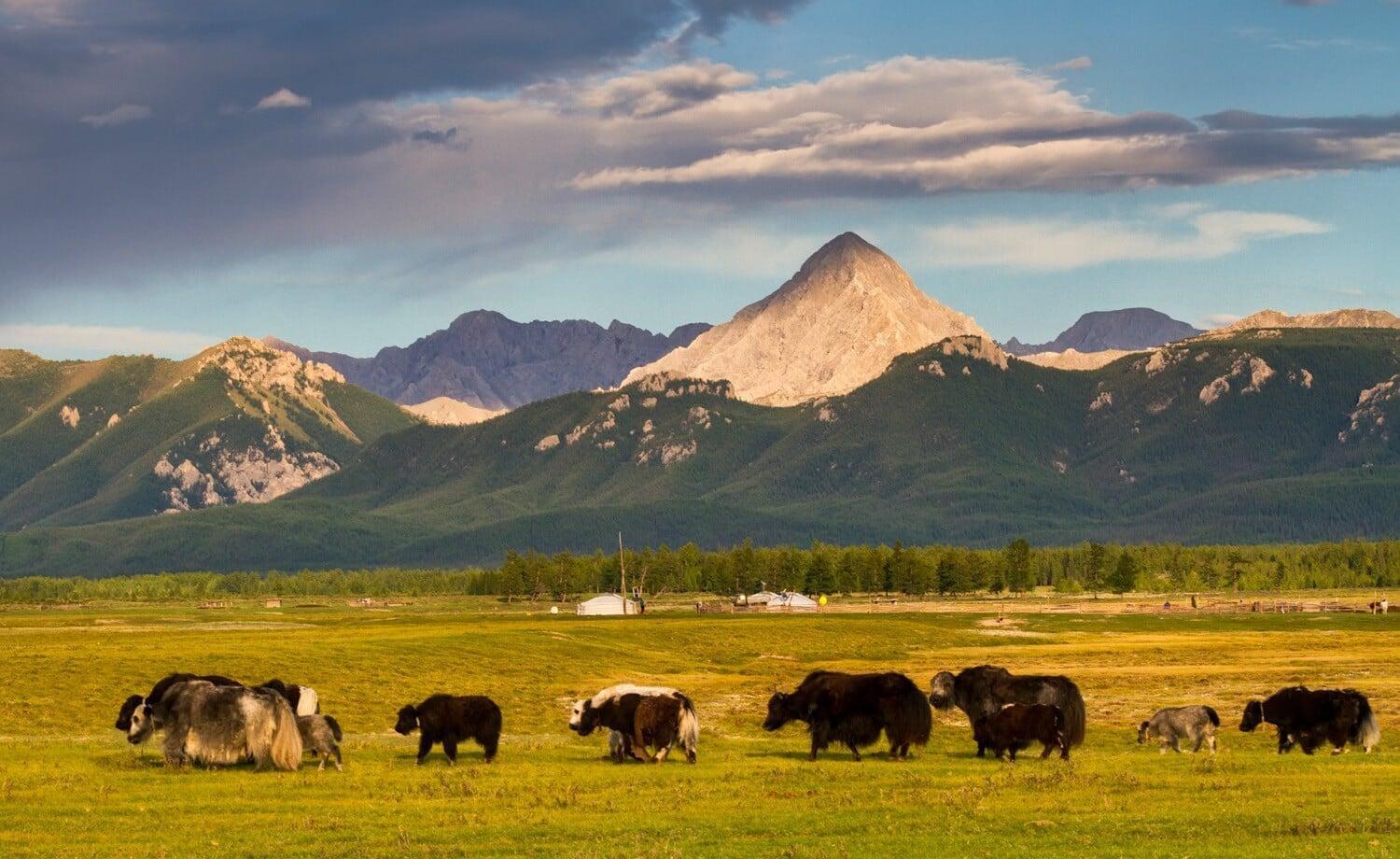
At Gobi Travel, we understand that the "railway station" model destroys the very thing the traveler seeks.
By refusing to modernize the experience with unnecessary infrastructure, a different relationship with the world is preserved—One where balance replaces control.