
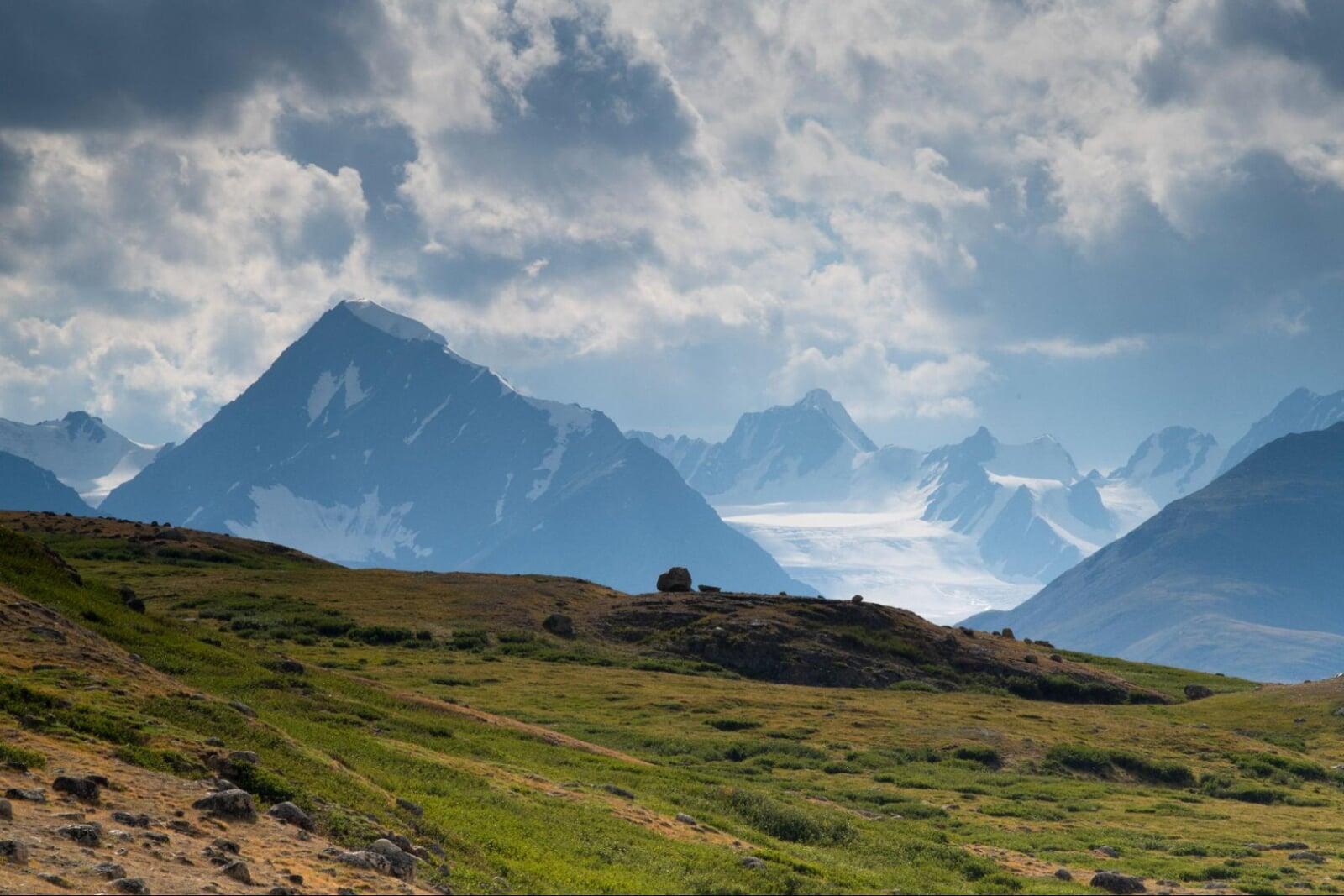
Khentii: A Remote and Sacred Landscape
Khentii Mountains are a natural collision of mountains, rivers, and wildlife. No fences. No crowds. Its status as a pristine wilderness is a direct result of its remoteness and an ancient, sacred history.
In Khentii, sacred does not mean a cathedral or a grand mausoleum. Ironically, this landscape should house the most magnificent monuments, as it is both the birthplace and final resting place of the ruler of the Mongol Empire. Yet, he chose the opposite. He opposed the idea of a grand burial, the crowds, and the risk of looting.
The Ikh Khorig: A Manifesto of Conservation
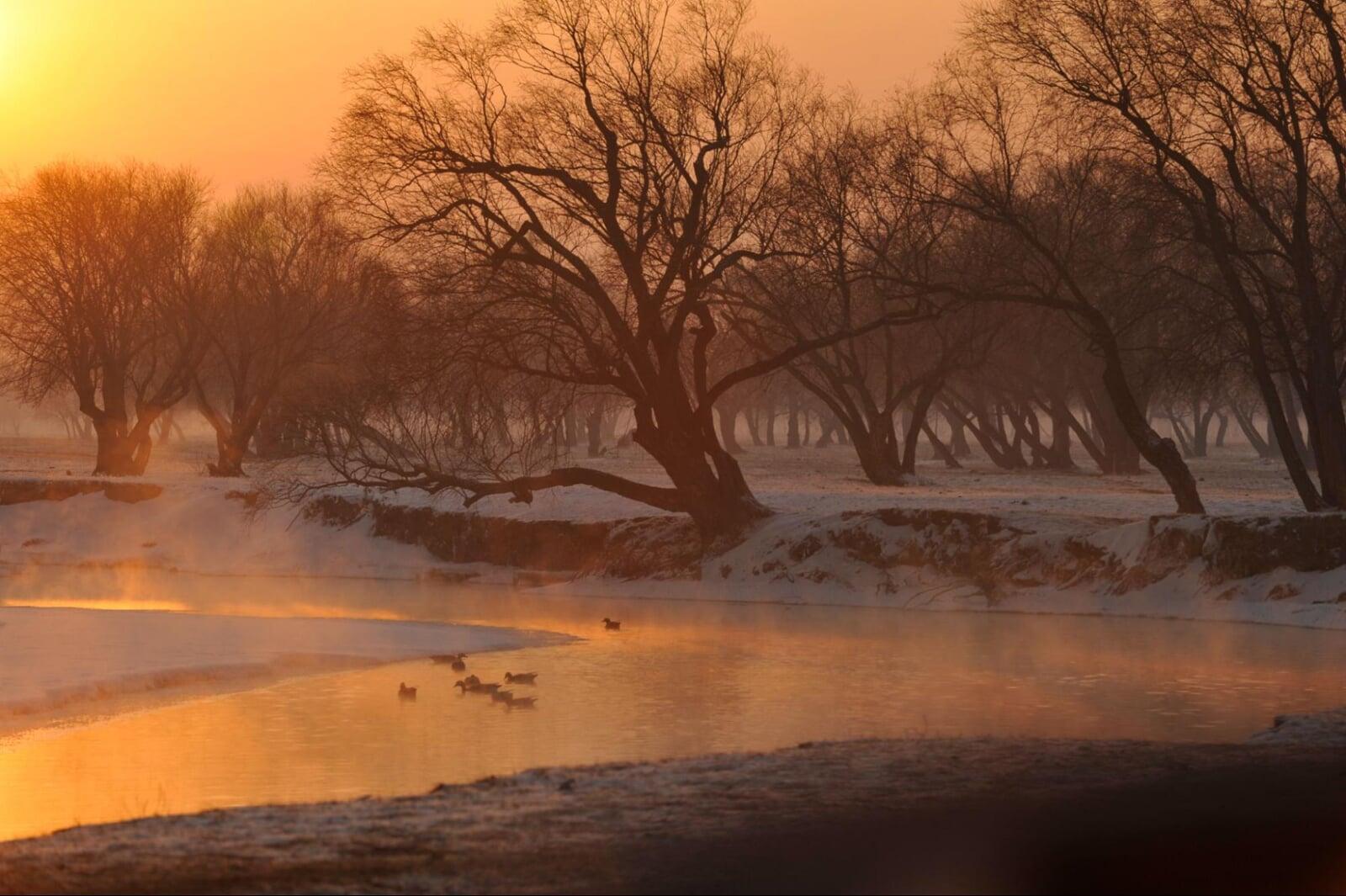
This led to the Ikh Khorig, the Great Taboo. For centuries, this was a successful manifesto of conservation. It dictated absolute limits on hunting and husbandry. This protection was a standard carried out by every successive ruler, preserving what is now the most authentic countryside Mongolia has to offer.
Ikh Zasag and Foundation of Balance
Principles That Governed Society
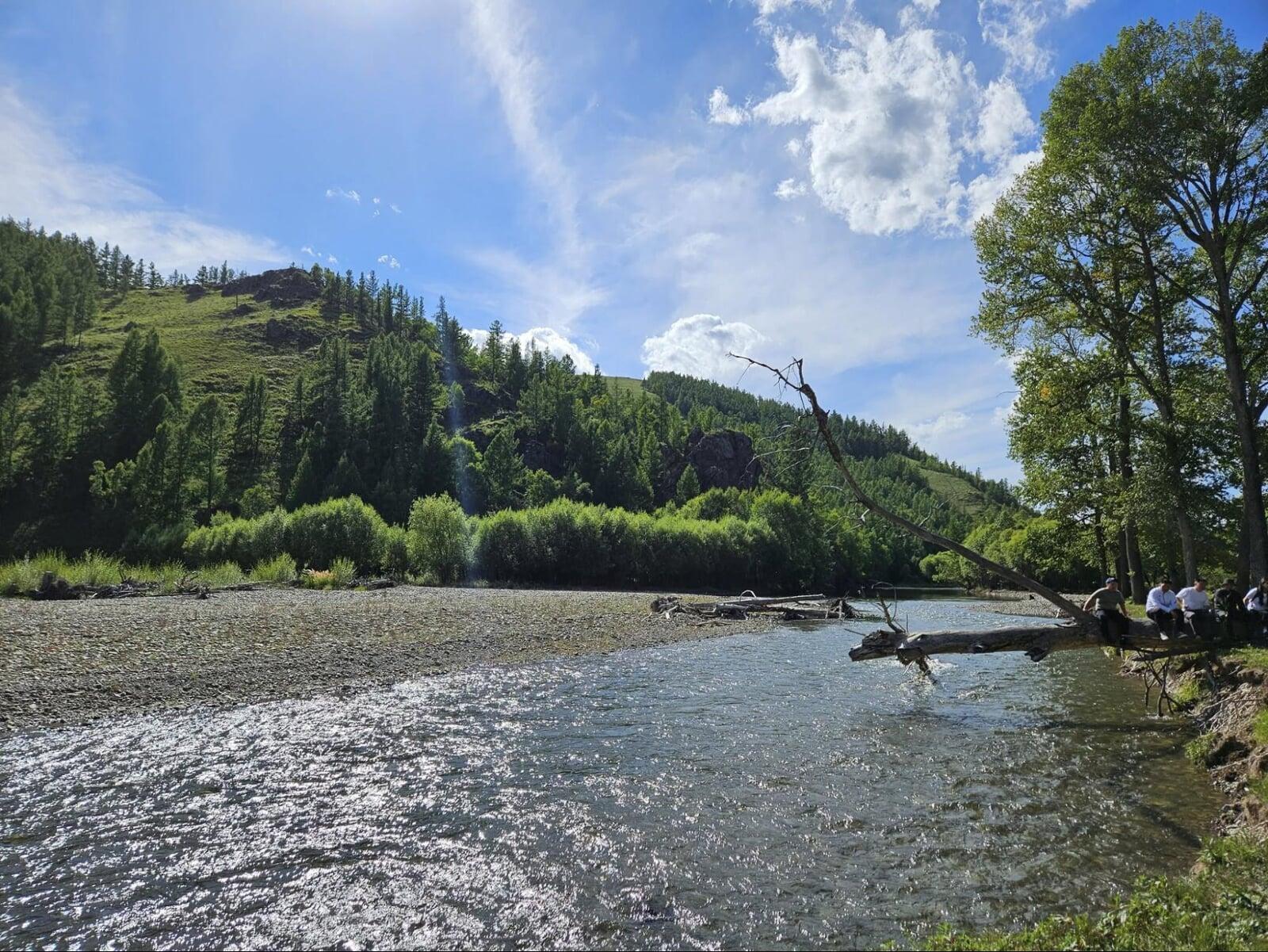
Complementing the Ikh Khorig was the Ikh Zasag (The Principles), governing the relationship among people. A pillar of this code was religious equality. The person born into this balanced environment went on to build the Pax Mongolica, a period defined by peace, clarity, and stability. It is a mandatory stop on any serious Mongolia tour focused on the source of the Empire.
Rethinking History and Legacy
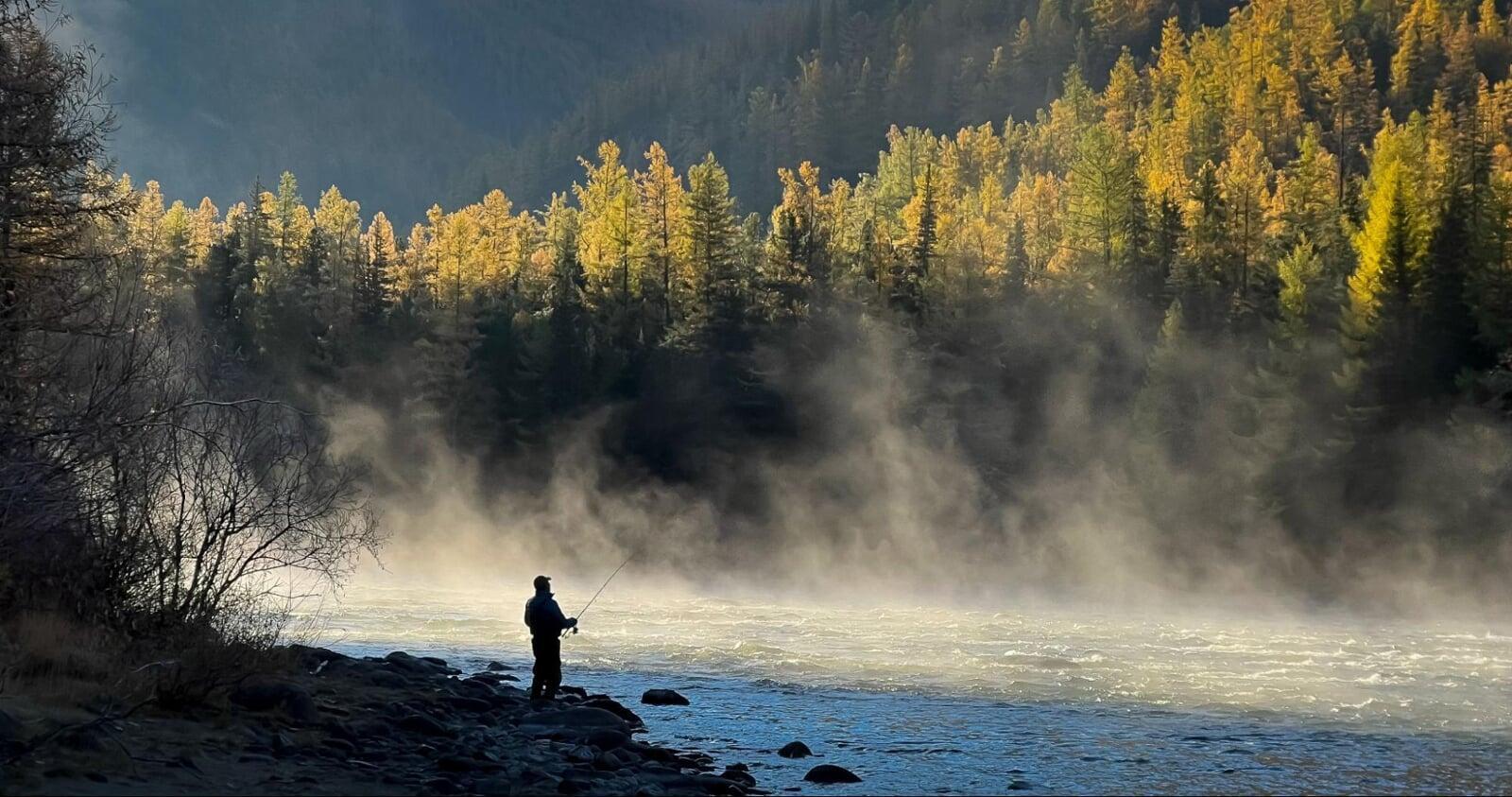
While history often focuses on ruthlessness, simple logic suggests that the era's casualty statistics are physically impossible. To achieve those numbers, you would have to be the T-800, a machine that doesn't rest, with a 1 to 1,000 damage ratio. Today, more scholars are focusing on how he changed modern history, integrating knowledge and free trade safely. It remains one of the most significant things to see in Mongolia for those who value historical truth over exaggeration.
Preservation Through the Socialist Era
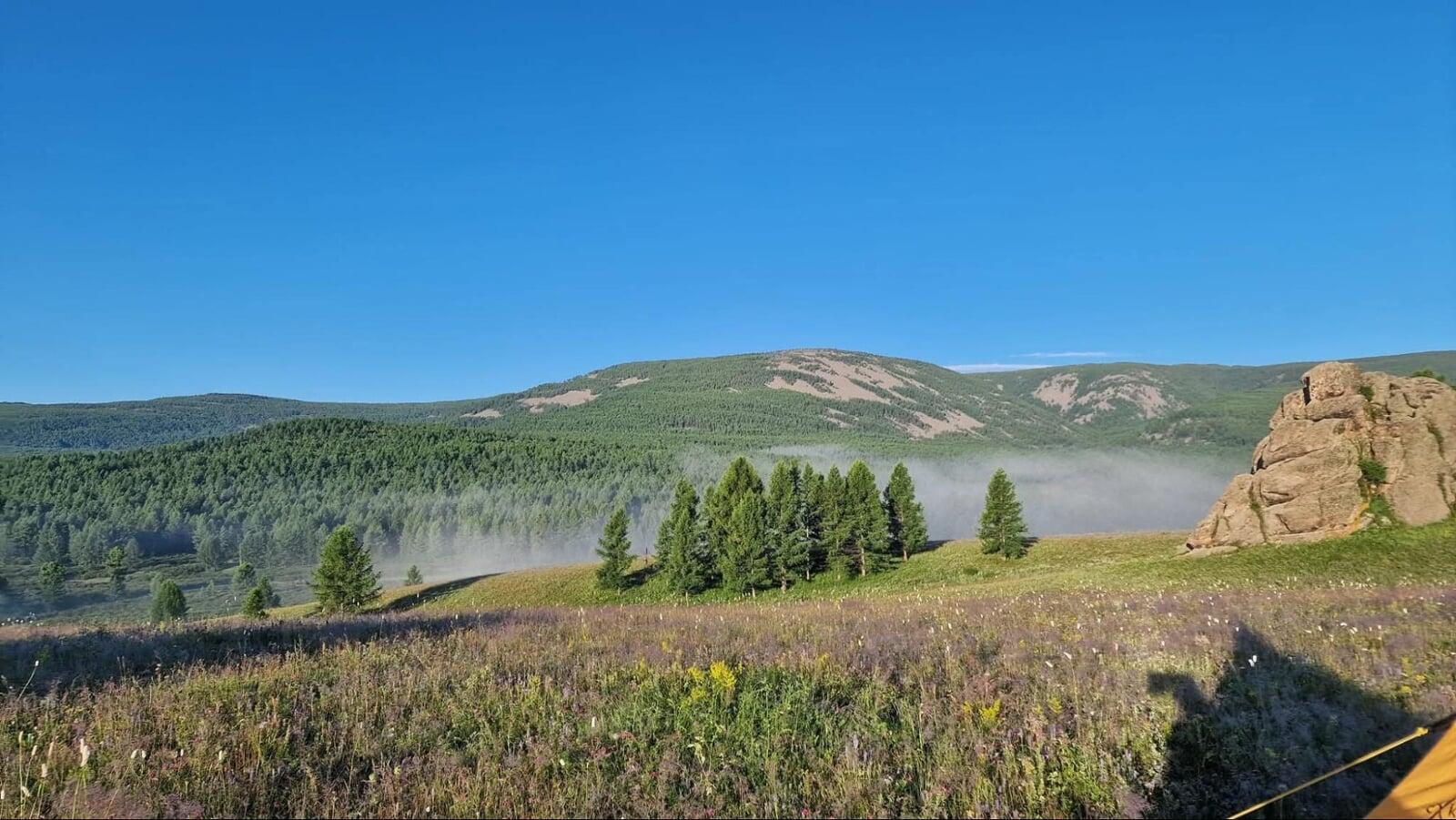
During the socialist era (1924–1990), the government maintained the Khentii’s forbidden status to suppress nationalist pride. They declared it a Strictly Protected Area. Ironically, the desire to hide history preserved the landscape through the industrialization leap.
The Untouched Sanctuary
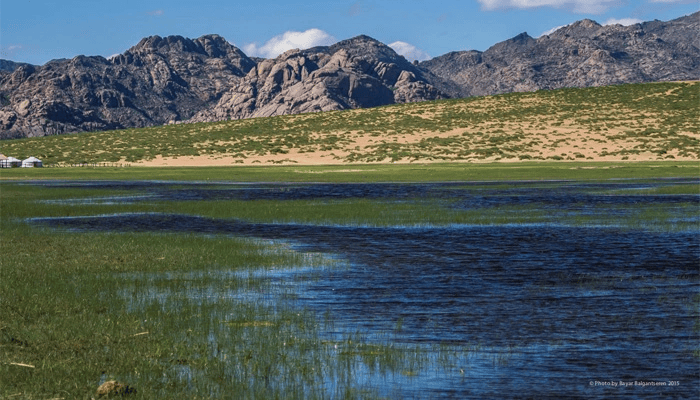
Even with modern satellites, international expeditions can only guess what lies beneath. Khentii remains an off-limits sanctuary. It is the absolute beginning, the headwaters of three great rivers: Kherlen, Onon, and Tuul. They start as humble mountain springs before growing into the veins of the empire, traveling thousands of miles to the Arctic and Pacific Oceans.
Experiencing Khentii the Right Way
Travel as It Was Meant to Be
The ideal way to move through this sacred prestige is by horseback and on foot.