
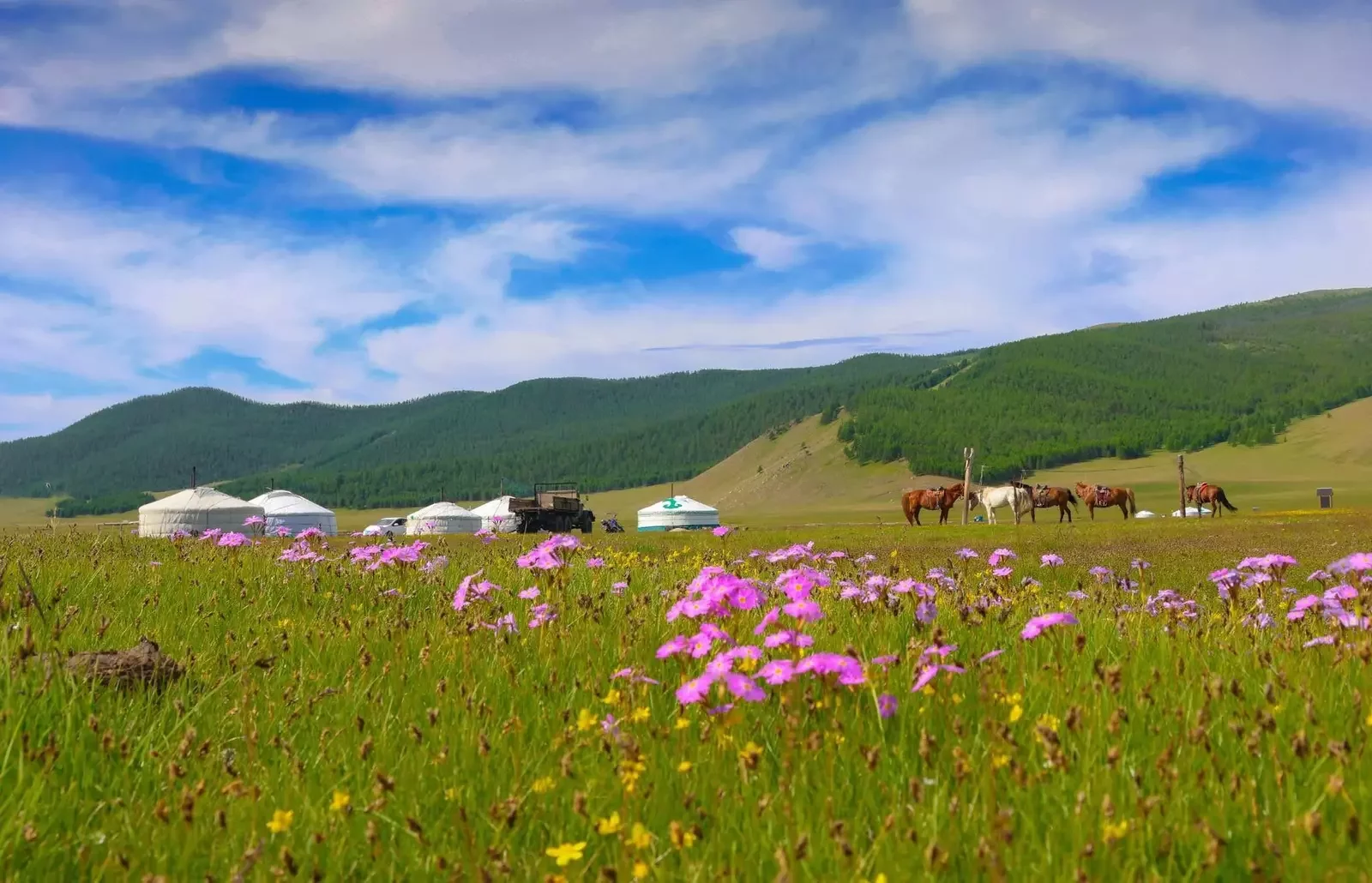
Modern travel focuses as much on human connection and experiences as it does on the destinations themselves. As one of the last places where a traditional nomadic lifestyle remains the norm, Mongolia allows visitors to experience a way of life integrated with nature and ancient traditions. As a result of this unique connection to nature, during their time in Mongolia, visitors have a chance to stay with the local families, which creates a really special kind of travel experience, one that feels very authentic and intimate, as well as slow and enjoyable.
Instead of observing a culture merely through the lens of an outsider, travellers can experience being an active participant in that culture's lifestyle, with its balance, hospitality and resilience.
What Makes a Nomadic Stay Truly Immersive?
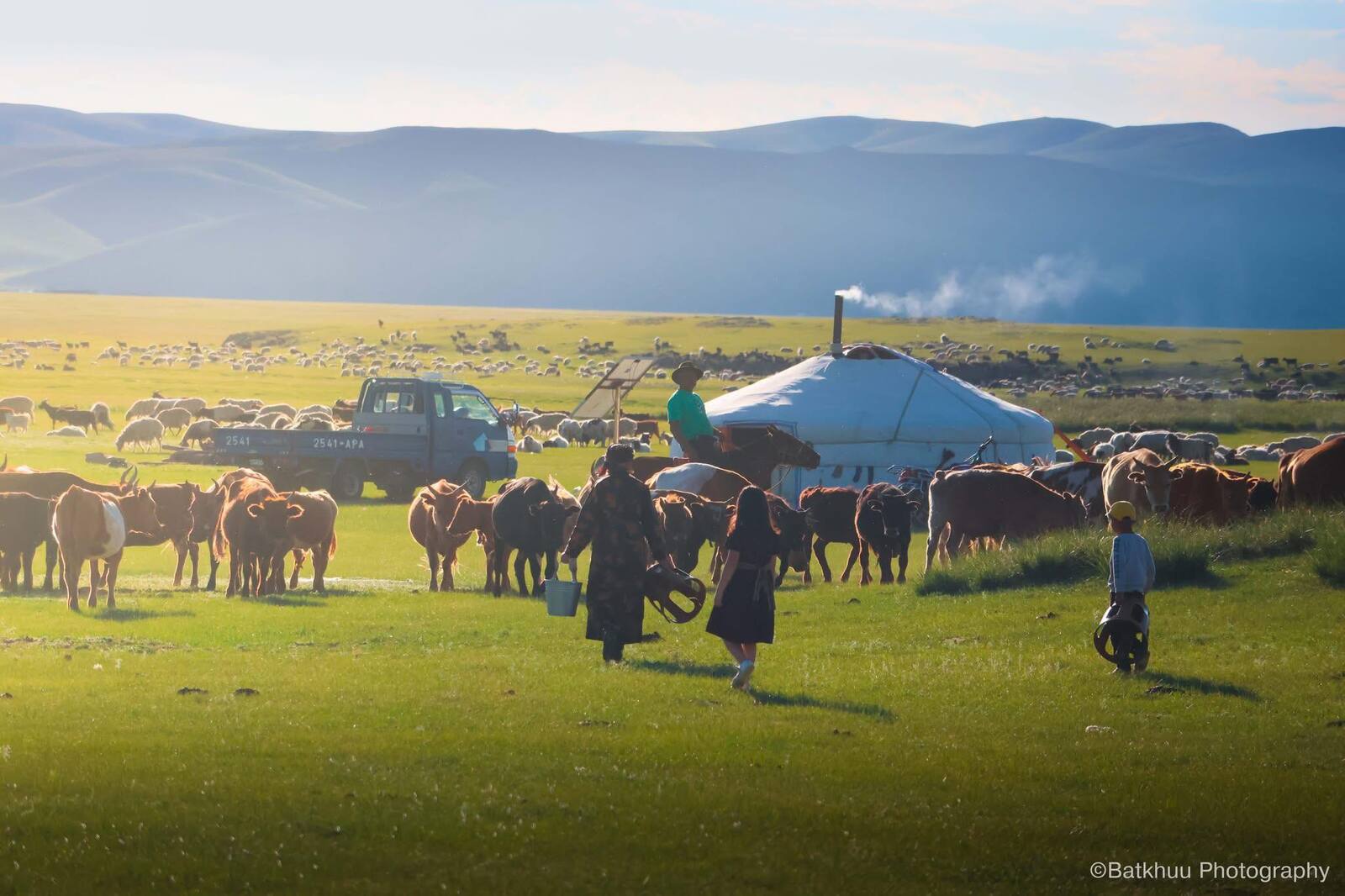
An immersive stay means sharing everyday life. Guests sleep in traditional felt homes, eat meals prepared over simple stoves, and follow routines influenced by weather and livestock rather than clocks. There are no fixed itineraries, each day unfolds naturally.
Central Mongolia: Living with Families in Arkhangai
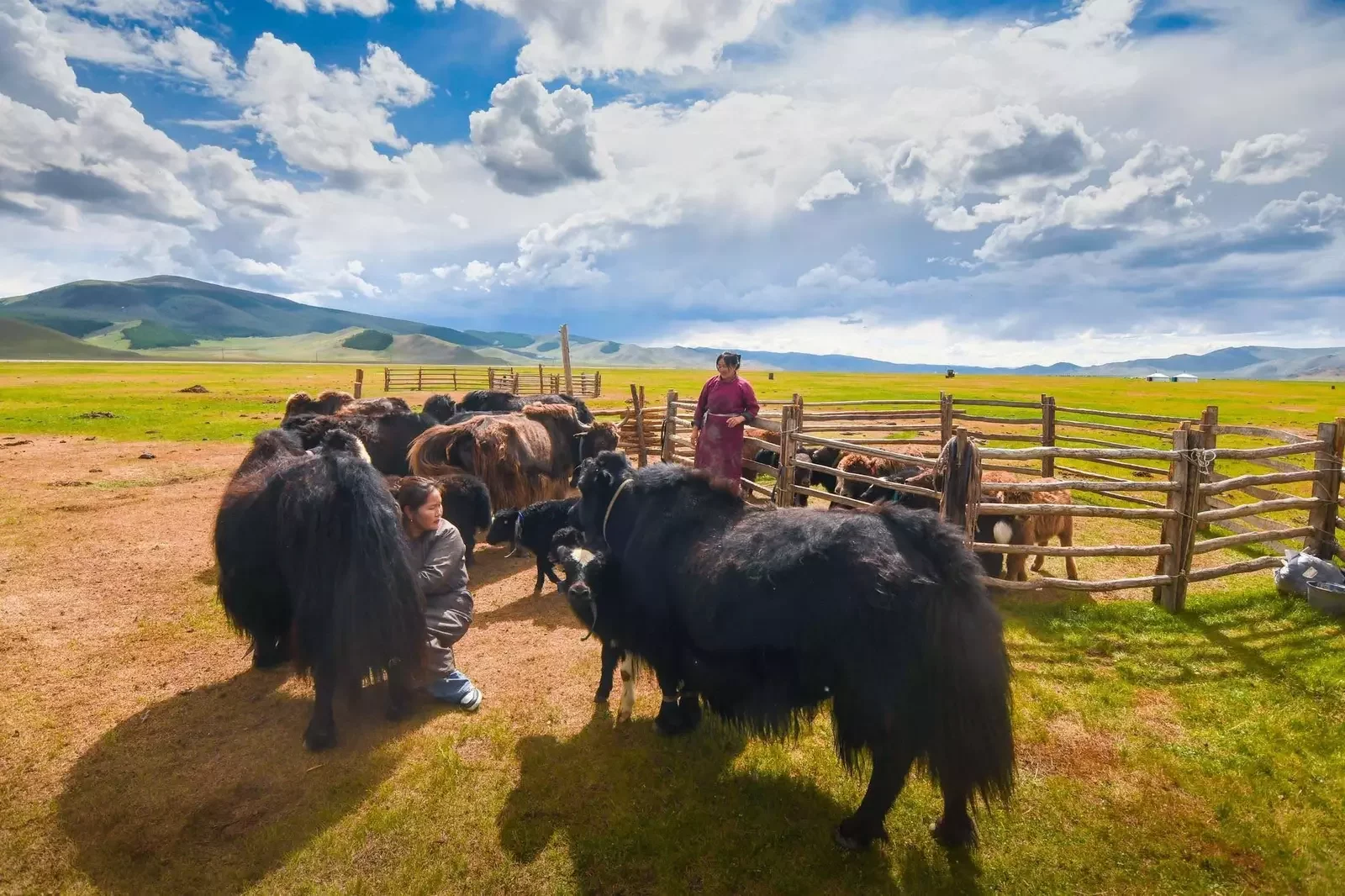
The region of Arkhangai is known for its rolling grasslands, rivers, and forested valleys. Families still follow the traditional method of raising livestock (Horses, Cattle, Sheep and Goats), and move around during the year to care for them. Guests often take part in daily activities such as milking, herding, and food preparation, with opportunities for horseback riding. Evenings are typically spent in the family home, sharing tea and conversation. This region is well suited for travelers seeking cultural immersion without complete isolation.
Western Mongolia: Nomadic Life in Bayan-Olgii
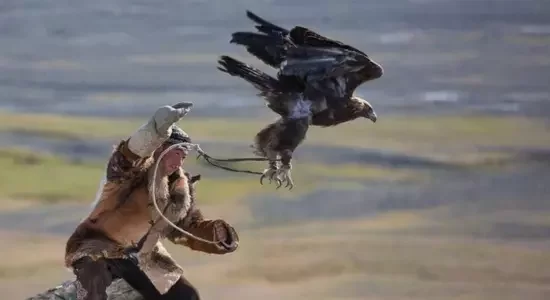
In the far west, Bayan-Olgii introduces visitors to a different cultural identity shaped by mountains and harsh climates. Many families here belong to Kazakh communities, with distinct language, customs, and crafts.
A Different Style of Travel
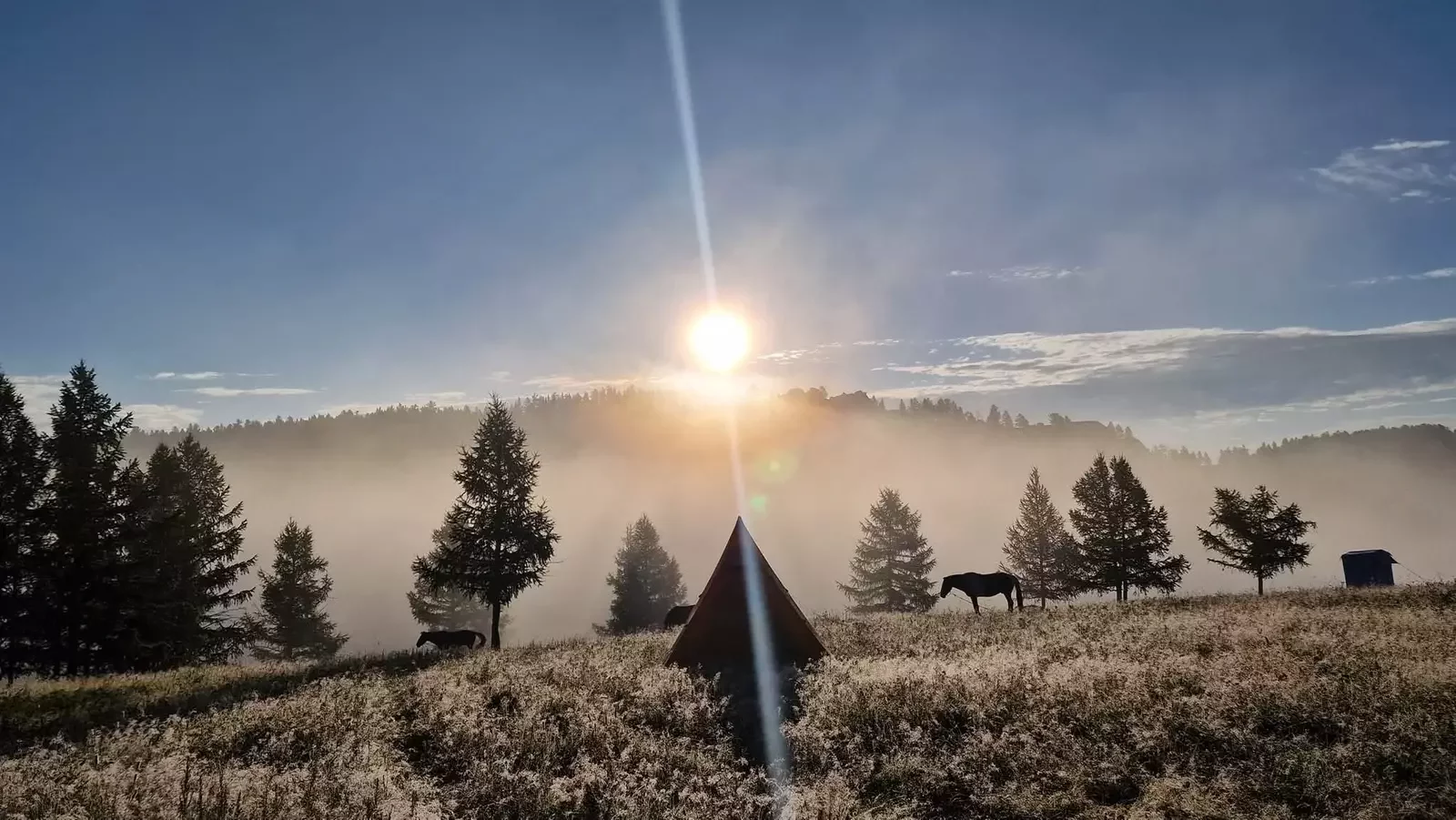
Unlike fast-paced itineraries, these journeys prioritize connection. Shared meals, daily work, and quiet moments replace sightseeing checklists. This slower approach to Mongolia travel allows visitors to understand culture through experience, not explanation. Mongolia travel allows visitors to Understand culture through experience, not explanation.
Such stays are often part of thoughtfully planned cultural immersion tours, designed to learn the way of life that existed for centuries and foster direct bonds with nomadic families
Conclusion
Living with nomadic families in Mongolia offers more than memories—it offers perspective. Through meaningful Cultural Tours, travelers gain insight into a lifestyle built on cooperation, simplicity, and respect for nature.
Whether in the green valleys of Arkhangai or the rugged landscapes of Bayan-Olgii, these experiences remind us that true richness comes not from comfort, but from connection. For those willing to slow down and listen, nomadic life leaves a lasting impression that no photograph can fully capture.