
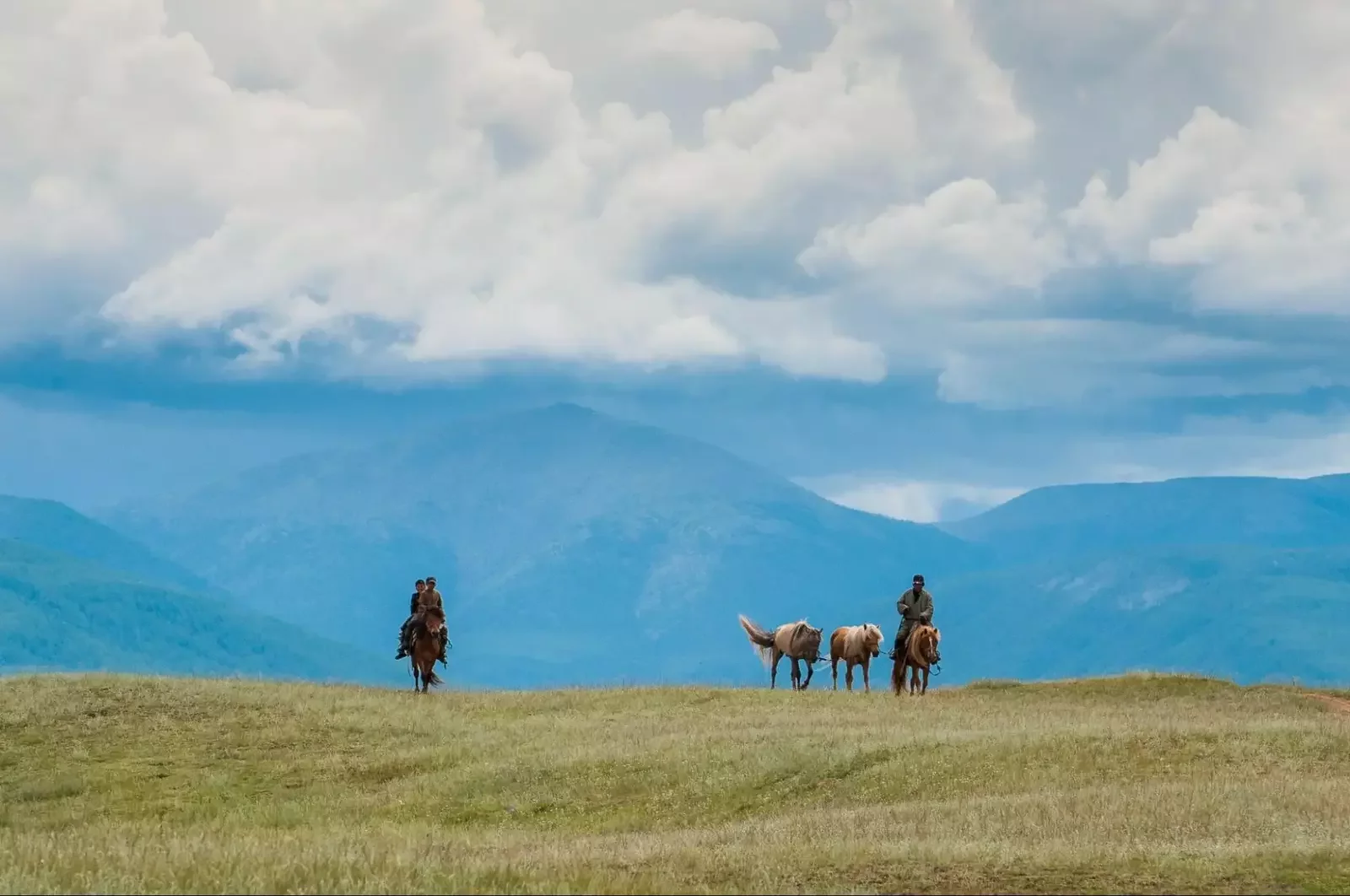
Mongolia is a destination for those seeking expansive open spaces and a culture deeply connected to the land. The country maintains a strong nomadic culture centered on horseback travel and offers clear big skies over the vast steppes both day and night. Star gazing and celestial observation were historically vital to the nomads’ livelihood, particularly for the well-being of their livestock. Navigation, determining time and date, and most importantly, weather predictions resulted from generations of observation and deep knowledge of the skies. As the world's least densely populated country, Mongolia has minimal light pollution, creating an exceptional setting for stargazing.
When to Go
The best time to visit Mongolia depends on your interests and travel plans. With proper layering, outdoor travel is comfortable in any season.
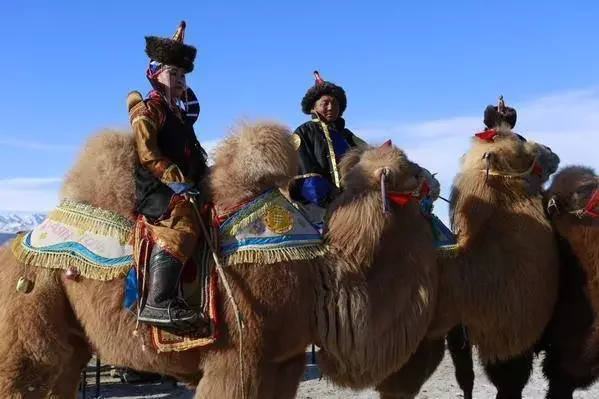
Summer (June–early September) offers mild weather, low humidity, and major events like the Naadam Festival, making it ideal for outdoor activities. September is quieter, with autumn colors and pleasant temperatures. Winter (October–March) is for adventurous travelers, offering insight into nomadic life and unique festivals such as the Golden Eagle, Ice, and Ten Thousand Camel Festivals, along with exceptional stargazing year-round.
Where to Stay
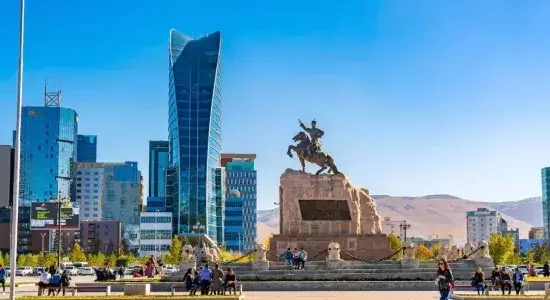
Accommodation in Mongolia varies by location. In Ulaanbaatar, travelers can choose from luxury, mid-range, and budget hotels, including international chains and local boutique stays. Most mid-range hotels are centrally located, making it easy to access major attractions, museums, and restaurants.
Outside the capital, accommodation becomes more traditional. Options include ger camps, camping, and homestays with local families. Ger camps are common near popular routes and destinations, offering comfortable bedding, local meals, and a culturally immersive stay in remote areas.
Top Regions to Visit in Mongolia
Mongolia’s regions each hold a unique story—from the desert sands to crystal lakes and historic plains.
The Gobi Desert
Gobi is a vast, semi-arid landscape known for its geological and paleontological significance, not being a typical sand desert. Key sites include the Flaming Cliffs (Bayanzag), famous for dinosaur fossil discoveries, and the towering Khongoryn Els (Singing Dunes). Activities center on camel riding, exploring unique deep gorges like Yol Valley, and engaging with local nomadic herders.
Lake Khuvsgul (Northern Mongolia)
Often called the "Blue Pearl," this is a massive, clear alpine lake surrounded by mountains and pine forests, making it a prime spot for nature photography and outdoor activities. It is the gateway to the Taiga, offering access to the Tsaatan (Reindeer People), one of the world's last nomadic reindeer-herding tribes. Summer activities include hiking and kayaking, while winter features an annual Ice Festival on the frozen lake.
Arkhangai Province (Central Mongolia)
This green, mountainous region is considered Mongolia's equestrian heartland, offering an immersive experience into the authentic nomadic lifestyle centered on horseback riding and sharing local dairy products. The province features diverse landscapes, including the volcanic Khorgo-Terkhiin Tsagaan Nuur National Park and the historic site of Karakhorum, the former capital of the Mongol Empire. Travelers can also unwind at the pristine Tsenkher Hot Spring
Bayan-Olgii (Western Mongolia)
Located in the high Mongol Altai Mountains, this province is Mongolia's most rugged region and is characterized by its distinct Kazakh ethnic heritage. It is famous for the ancient tradition of hunting with golden eagles, showcased annually at the Golden Eagle Festival. Altai Tavan Bogd National Park offers challenging trekking, mountain climbing (including Khuiten Peak), and views of permanent glaciers.
Khentii Province
This eastern province is historically significant as the birthplace of Chinggis Khan, featuring diverse landscapes from dense forests to rolling steppes. Key sites include the sacred Burkhan Khaldun Mountain and the ruins of the Baldan Bereeven Monastery. Khentii offers a remote wilderness experience with fewer tourists, ideal for hiking, horse trekking, and fishing along the Onon and Kherlen rivers.
What to Do
Mongolia’s appeal lies in its balance of culture, nature, and adventure. Here are key activities:
First-hand Experience in Nomadic Life: Experience a homestay with herder families and participate in daily tasks, including the full spectrum of dairy processing—from milking to making yogurt, cheese, and spirits. Nomadic traditions emphasize efficiency, ensuring nothing is wasted in food, clothing, and living arrangements. All guests are welcomed with the renowned hospitality, which is often enhanced for those traveling to more remote areas.
Outdoor Adventures & Trekking: Engage in activities suited to the landscape, such as riding a horse across the steppes, hiking mountain trails, or traversing the desert on foot or by vehicle. For example, ride a two-humped Bactrian camel across the Gobi Desert's dunes.
Cultural & Festival Experiences: Attend traditional festivals, including the summer Naadam Festival (horse racing, archery, and wrestling), the Golden Eagle Festival in western Mongolia, the Ice Festival in the north, and the Camel Festival in the Gobi. These events showcase the diverse and unique aspects of Mongolian culture and living tradition.
Wild Nature & Photography: Mongolia offers vast, untouched landscapes, from alpine lakes and glacier rivers in the north to sand dunes and fossil-rich cliffs in the south. The scenery provides dramatic visual subjects for photography, characterized by expansive wilderness with minimal human presence.
Travel Tips
Bring layers; temperatures can swing significantly between days and nights, requiring adaptable clothing.
Carry small gifts, especially sweet treats for children; it is much appreciated to offer candies or goodies when visiting families in rural areas.
Always accept offered tea, this act of acceptance is a fundamental part of nomadic tradition and hospitality.
Book accommodations and tours early for July and August, as these months coincide with the peak Naadam Festival and summer travel season.
Final Thoughts
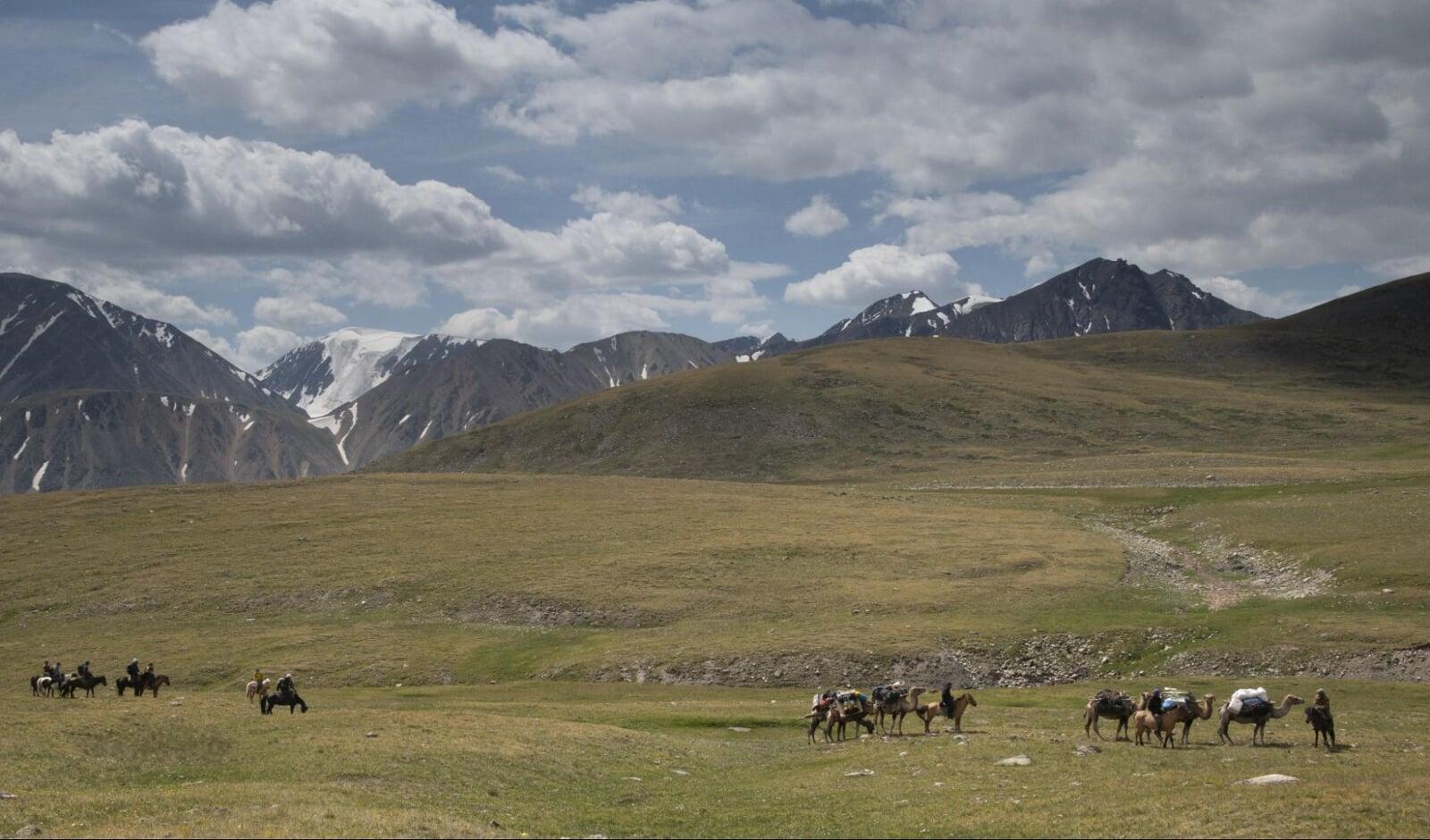
Mongolia offers a distinct travel experience that contrasts deeply with urban life. The country's vast scale, the hospitality of its nomadic people, and the stillness of the wilderness leave a lasting impression. This is a destination defined by its undisturbed, pristine nature and a powerful sense of timelessness.